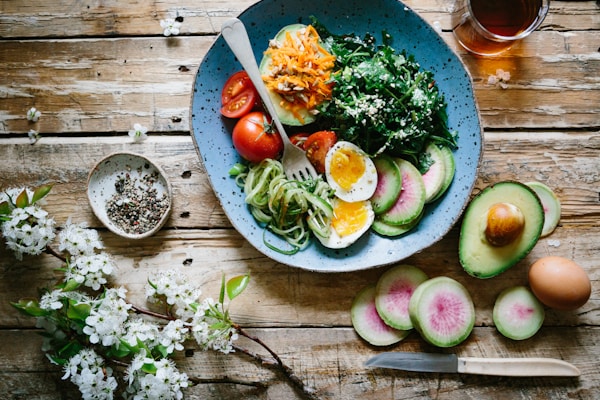
What vegetables to eat for weight loss in winter
During the cold and dry winter, the dietary principle is to focus on "sweet and neutral" foods, which means eating more foods that have a liver-cleansing effect, such as vegetables like bean sprouts, cauliflower, carrots, and celery. There are also many ways to prepare these foods.
cabbage
Its vitamin C content is 3.5 times that of tomatoes, and its calcium content is twice that of cucumbers. Cabbage also contains relatively high amounts of the trace elements molybdenum and manganese, essential raw materials for the human body to produce enzymes, hormones, and other active substances. It promotes metabolism and is highly beneficial for children's growth and development. Its abundant vitamin C can enhance the body's anti-cancer capabilities.
bok choy
Traditional Chinese medicine believes that bok choy nourishes the stomach and harmonizes the middle jiao (digestive system), has a bitter and slightly cold taste, and promotes smooth digestion. Bok choy is rich in vitamin C and calcium, and also contains iron, phosphorus, carotene, and B vitamins. There is also white cabbage, also known as head cabbage, which has a bitter and neutral nature, and can benefit the heart and kidneys, strengthen the spleen and stomach, and has analgesic and healing effects on gastric and duodenal ulcers.
bean sprouts
Soybeans and mung beans contain abundant protein, fat, and carbohydrates, as well as essential trace elements such as sodium, phosphorus, iron, and calcium. When beans sprout, they not only retain their original nutrients but also increase their vitamin content, which helps relieve fatigue. The chlorophyll in bean sprouts may help prevent colorectal cancer.
cauliflower
It contains abundant vitamins; every 200 grams of fresh cauliflower can provide an adult with more than 75% of their daily vitamin A requirement.
Its vitamin C content is even more outstanding, reaching 80 mg per 100 grams, which is 3 to 4 times higher than common Chinese cabbage and soybean sprouts, and twice as high as citrus fruits.
Lettuce
Lettuce has a tender texture and is suitable for both raw consumption and stir-frying. Eating lettuce regularly in autumn can enhance the secretion of gastric and digestive juices, and promote bile secretion. Lettuce contains 27 times more potassium than sodium, and its vitamins also help promote urination and maintain fluid balance, which is very beneficial for patients with high blood pressure and heart disease.
Lettuce is high in iodine, which has a beneficial effect on the body's basal metabolism and physical development. The nutritional value of lettuce leaves is far higher than that of the stem. The fluoride in lettuce can participate in the formation of tooth enamel and dentin, and contribute to bone growth. In addition, people suffering from coughs in autumn can benefit from eating more lettuce leaves to relieve coughs.