From the perspective of traditional Chinese medicine, hair is considered an extension of blood and is also related to the kidneys. Therefore, it is said that the health of the kidneys is reflected in the hair. When the heart and kidneys are not in harmony (such as insomnia or neurasthenia), or when there is insufficient congenital endowment, excessive thinking depletes essence and blood, or fear and anxiety damage kidney essence, the hair will turn white. One can know the body's health status from the hair.
Yellowish-brown or pale yellow
Hypothyroidism, severe malnutrition, severe iron deficiency anemia, and recovery from serious illness can all lead to a decrease in melanin in the body, resulting in a lack of the basic substances for black hair, causing black hair to gradually turn yellowish-brown or light yellow.
Premature graying in young adults may be due to insufficient kidney qi.
"The health of the kidneys is reflected in the hair, and the hair is a surplus of blood. When blood is abundant, the hair is lustrous; when blood is deficient, the hair is dry." This saying describes the intricate connection between the kidneys, blood, and hair in traditional Chinese medicine. The growth, loss, luster, and dryness of hair are all related to a person's kidneys and blood.
Yellow hair in young girls may be due to calcium deficiency.
Adolescents require a particularly large amount of calcium. Teenagers who spend most of their time studying indoors and receive little sunlight are prone to calcium deficiency. This is because ultraviolet rays in sunlight promote calcium absorption; without ultraviolet radiation, no matter how much calcium you consume, it won't form bones.
How to solve hair problems:
1. Comb your hair frequently: Don't comb too hard. Regularly combing your hair can remove dust, dirt, sebum, and sweat secretions, achieving a daily "dry shampoo" effect.
2. Scalp massage: Every morning after getting up and every night before going to bed, insert your ten fingers into your hair and use the back of your nails to massage your scalp in the order from your forehead over the top of your head to the back of your head for 2 to 4 minutes each time.
3. We do not recommend perming or dyeing your hair: If necessary, do so at least once every 3-5 months.
4. Use conditioner frequently: Choose a good quality conditioner and use it within half an hour after sun exposure, rain, or swimming in the sea.
5. Maintain a stable mood and regulate your psychology.
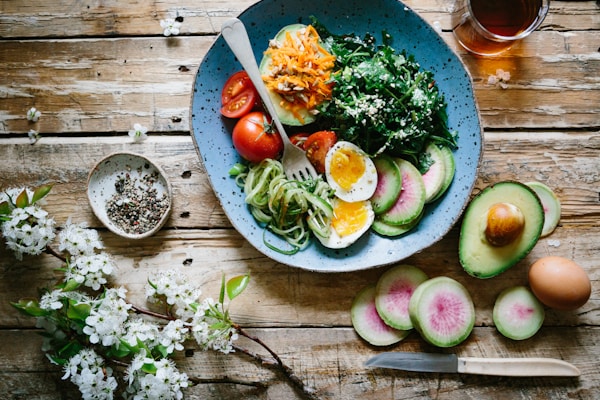
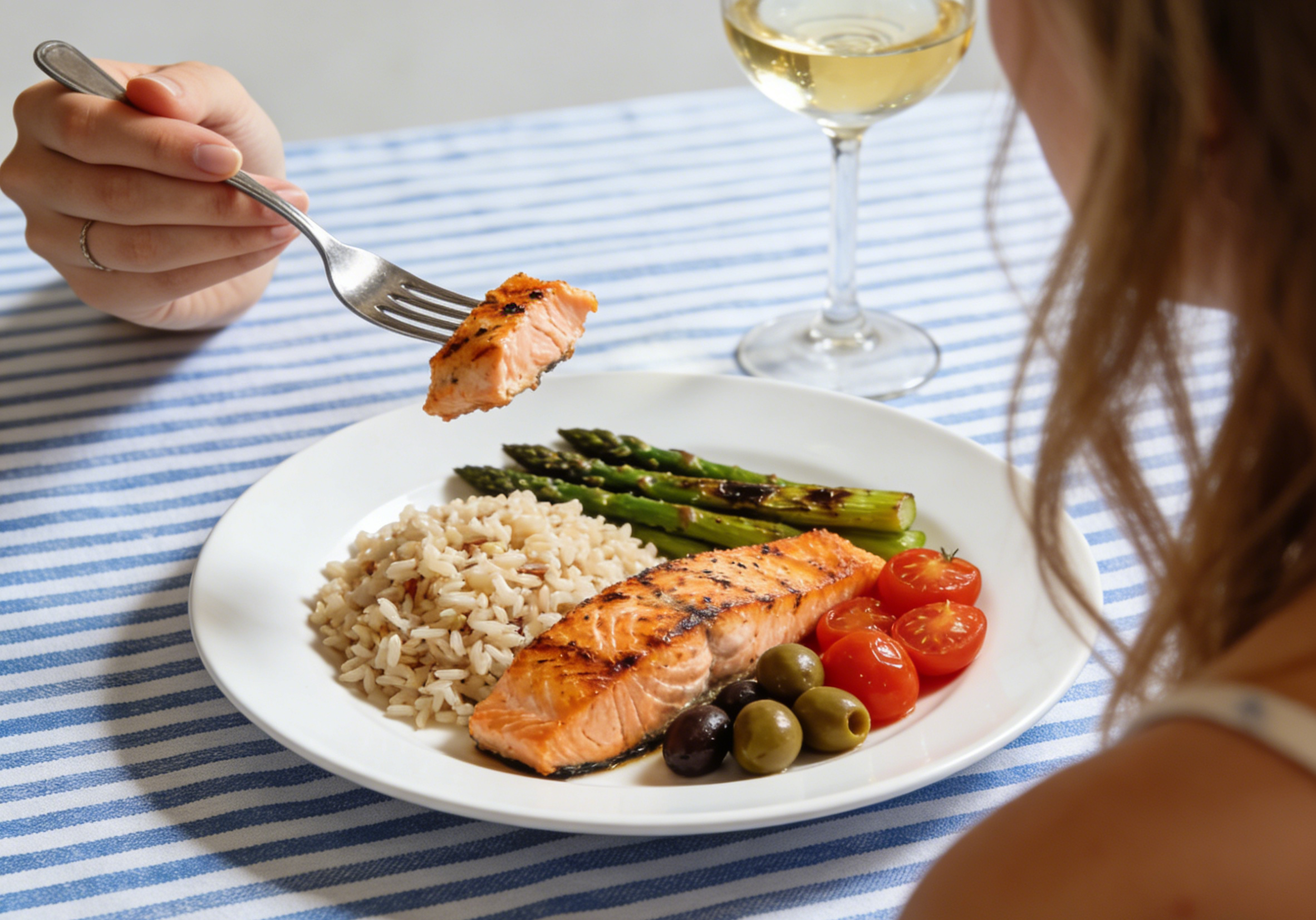
6. Pay attention to food choices: Regularly consume black foods such as black beans, blackberries, and black sesame seeds, as black foods are considered beneficial for the kidneys. Foods like Job's tears, yam, potatoes, beef, lily bulbs, lentils, hawthorn, bitter melon, watermelon, and loofah can invigorate the spleen, relieve summer heat, and replenish qi, which are beneficial for hair health. Eat plenty of vegetables and fruits daily, 300-500g of vegetables and 200-400g of fruit. This provides sufficient vitamins and minerals, essential nutrients for hair. Combine refined and whole grains: Consume 250-400g of staple foods, with at least 50g of whole grains. Whole grains provide B vitamins, essential for healthy hair growth. Adequate protein: In addition to staple foods, consume 30g of soy products daily and no more than 100g of animal products daily. Protein provides excellent food for hair cuticles.
7. Drink enough water every day, at least 1200ml, because water can better nourish hair.