The ancients called autumn a troublesome season. As September arrives, the feeling of autumn gradually intensifies, and unlike summer, it is no longer unbearably hot from morning till night. Autumn weather is characterized by warm days and cool nights, with significant temperature fluctuations. Under such climatic conditions, if people do not pay attention to health preservation, their bodies are prone to illness and the recurrence of old ailments. So, what are the key points for maintaining good health?
1. Early to bed and early to rise. Traditional Chinese medicine advocates early to bed and early to rise in autumn, aligning with the rooster's rise. Early to bed helps to store Yin essence, while early to rise helps to promote Yang energy. Modern scientific research confirms that getting up appropriately early in autumn can reduce the chance of blood clot formation. At the same time, it's not advisable to get up too quickly; lingering in bed for a few minutes to stretch and move the body is also important for preventing blood clots. The incidence of cerebrovascular diseases is extremely high in late autumn and early winter, often occurring in the later stages of prolonged sleep. This is because blood flow in the brain's blood vessels slows down during sleep, making blood clots more likely to form.
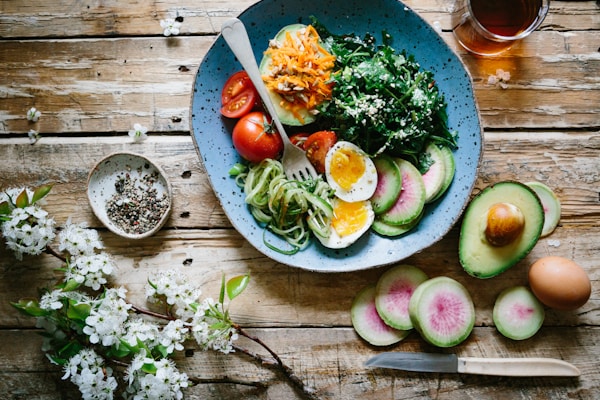
2. Regulate your diet. The basic principle of autumn diet should be nourishing yin and moistening the lungs. Elderly people with weak stomachs can benefit from eating porridge for breakfast to promote stomach health and generate fluids, such as lily and lotus seed porridge, white fungus and rock sugar glutinous rice porridge, almond and fritillaria cirrhosa glutinous rice porridge, and black sesame porridge. In addition, they should eat more sour fruits and vegetables and less spicy and stimulating foods, which is very beneficial for protecting the liver and lungs.
3. Prevent sudden climate changes. Late autumn brings cooler weather. This period is a peak time for strokes and myocardial infarctions, which can easily lead to sudden death. Furthermore, people with chronic bronchitis, emphysema, and pulmonary heart disease are also very sensitive to climate changes, which can easily cause relapses, worsening of their condition, and death. Therefore, patients with these diseases should be especially vigilant, strengthen prevention, and keep first-aid and treatment medications at home as a precaution.
4. Prevent Autumn Dryness. Autumn weather is dry, causing rapid evaporation of moisture from the skin, which can easily lead to symptoms such as dry, cracked skin, increased wrinkles, sore throat, and constipation. Therefore, preventing autumn dryness is an important principle of autumn health care. Maintain a certain level of humidity indoors, pay attention to replenishing the body's fluids, and avoid overwork and strenuous exercise that can deplete body fluids. Various moisturizing creams can be applied to prevent dry skin. However, glycerin should not be applied to chapped lips, and licking the lips frequently should be avoided, as this will cause further dryness and cracking.
5. Enhance disease resistance. As the saying goes, "Dress warmly in spring and lightly in autumn to avoid illness." As the weather gradually cools in autumn, avoid adding too many layers of clothing at once. Intentionally exposing the body to some cold air is an important way to enhance its ability to adapt to the cold winter climate. Autumn, with its clear skies and crisp air, is a good time for exercise, especially cold-resistance training, such as morning exercises, jogging, and cold water baths, which can improve the body's resistance to disease.
6. Regulate Emotions. Generally speaking, people's emotions are less stable in autumn, easily becoming irritable or melancholic, especially in late autumn when flowers and trees wither and the autumn wind is bleak, often evoking feelings of depression and decline in some people. Therefore, autumn health preservation should focus on regulating emotions, cultivating optimism, and maintaining psychological balance. On sunny days, going out to enjoy the scenery and expressing joy can instantly dispel melancholy and worries, making one feel refreshed and adding endless pleasure to life.
In addition, various fruits and melons are abundant in autumn, and moderate consumption of these fruits and melons provides a variety of vitamins, which is beneficial for autumn health. For example, apples contain various vitamins and potassium, and have anti-diarrheal properties, making them suitable for patients with cardiovascular disease and diarrhea. Bananas contain various vitamins, can prevent aging, and have cough-suppressing, bowel-regulating, and blood pressure-lowering effects. Spinach has a diuretic effect, which is beneficial for patients with nephritis and hypertension, and also has a therapeutic effect on bronchitis. Citrus fruits have cough-suppressing, stomach-regulating, and stomach-strengthening effects; pears can moisten the lungs, clear phlegm, relieve coughs, and treat constipation. Grapes have the effects of preventing fatigue, replenishing qi and blood, strengthening muscles and bones, strengthening the stomach, and promoting urination; regular consumption can make people strong, but those with constipation should not eat too many. Persimmons are cold in nature, so those who are weak or ill should not eat too many.