The common cold is a very common illness, and most people have a wide range of medications to choose from. However, women must be cautious when taking medication for a cold during their menstrual period. Improper use can disrupt blood circulation and cause blood stasis, leading to dysmenorrhea, amenorrhea, and general weakness.
1. Wind-heat common cold: When exposed to wind-heat, the main symptoms are fever, headache, sore throat, dry mouth and thirst. You can use heat-clearing and detoxifying drugs, such as Yinqiao Powder, Sangju Drink, Sangxing Decoction, etc. However, when taking the medicine, you should add some pungent and warm medicines or take it with ginger soup to restrain the side effects of heat-clearing and detoxifying drugs, so as to prevent excessive use, obstructing qi and blood, and leaving future problems.
II. Common Cold Due to Wind-Cold: For those suffering from wind-cold, with symptoms mainly including severe chills, mild fever, and nasal congestion with clear runny nose, it is advisable to choose anti-cold medications that are pungent and warm in nature and relieve exterior symptoms . For decoctions, Guizhi Tang and Xingsu San are suitable, while for prepared Chinese medicines, Fenghan Ganmao Keli, Huoxiang Zhengqi Shui (capsules), and Jingfang Baidu San can be used for symptomatic treatment.
3. Heat Entering the Blood Chamber: This condition is caused by exposure to wind and rain during menstruation or wading through water during menstruation. Symptoms include fever resembling malaria, with symptoms worse at night and milder during the day. Treatment should primarily focus on Xiao Chai Hu Tang (Minor Bupleurum Decoction). Those with particularly severe symptoms should be hospitalized immediately. Remember, "all medicines have some degree of toxicity," so women must be extremely cautious when taking medication for a cold during menstruation!
During menstruation, the body is weak and the immune system is weakened, making it easy to catch a cold. Therefore, it is important to pay attention to menstrual health. What are some things we need to be aware of?
1. Keep the vulva clean. Wash the vulva frequently with clean, warm water to prevent menstrual blood from crusting over.
When washing the vulva, do not soak the lower body in water to prevent dirty water from seeping into the vagina. Never use a foot towel or foot bath water to wash the vulva. The basin used for washing the vulva should also be separate from the basin used for washing the feet. After urinating or defecating, wipe from right front to back with toilet paper to avoid transferring bacteria from the anus to the vulva.
2. Maintain an optimistic and stable mood.
During menstruation, young girls often experience physical discomfort such as breast tenderness, lower back pain, lower abdominal bloating, and headaches, leading to irritability, mood swings, or even depression. These emotional fluctuations can, in turn, affect menstruation. Maintaining a cheerful mood and regulating emotions can alleviate menstrual discomfort and prevent menstrual irregularities.
Third, appropriately control the amount of exercise. During menstruation, it is important to rest and get enough sleep to enhance the body's resistance.
Avoid strenuous physical activity and heavy physical exercise. Female students who have menstruation during physical education class can explain the situation to the teacher and participate in light exercise such as gymnastics, walking, badminton, or table tennis.
IV. Keep warm
During menstruation, the body's resistance decreases and pelvic congestion occurs, so it's important to keep warm. Avoid getting caught in the rain, wading, swimming, or taking cold showers, washing your hair, or washing your feet. It's also best not to sit on damp ground. In summer, avoid drinking too many cold drinks to prevent catching a chill, which can stimulate pelvic blood vessel contraction, leading to reduced menstrual flow or sudden cessation of menstruation, and triggering other illnesses.
5. Pay attention to food hygiene and strengthen nutrition.
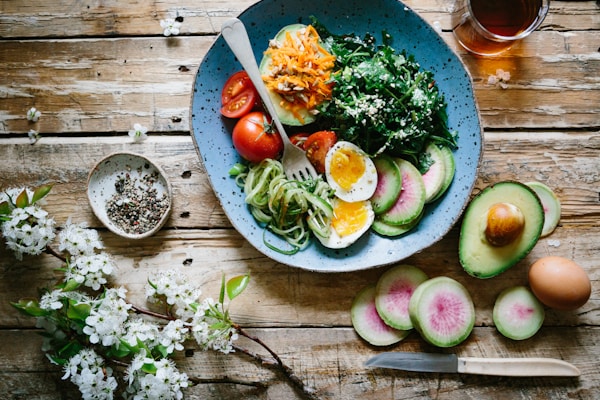
During menstruation, you can eat easily digestible foods such as eggs, lean meat, soy products, vegetables, and fruits. You should also drink plenty of water to increase urination frequency, flush the urethra, and prevent inflammation. Avoid raw, cold, spicy, and irritating foods, keep your bowels regular, and reduce pelvic congestion.
6. Keep a record of your menstrual cycle.
By keeping a record, you can observe whether your menstrual cycle is regular and prepare accordingly before your period. If your period does not arrive on time, you should see a doctor to find out the cause in time.
7. During menstruation, it is important to choose reliable sanitary napkins.
Girls who have just started menstruating should prepare sanitary napkins and change them promptly during their periods. Girls should also pay attention to cultivating good eating and lifestyle habits; these habits will help them have a relaxed and enjoyable holiday.