The Great Heat solar term arrives on July 23rd, signifying that half of the twenty-four solar terms of the year of Gui Mao have passed. An ancient saying goes, "Heat means boiling, as hot as boiling things," meaning the weather at this time is as hot as being steamed or boiled. The Great Heat solar term falls around the middle of the three periods of intense heat (Sanfu), the hottest time of the year. Traditional Chinese medicine believes that "humans are in harmony with heaven and earth, corresponding to the sun and moon," and that "the weakness of the body is all connected to the earth." During the Great Heat, the human body adapts to the intense heat of heaven and earth, and the body's Yang energy is at its peak. Therefore, the Great Heat is considered the most important period for health preservation throughout the year.
"Winter diseases" are best treated during the summer. Traditional Chinese medicine (TCM) follows the principles of Yin and Yang and the Five Elements to prevent and treat diseases, and excels at tailoring treatment plans to the individual based on the time, place, and person. "Treating winter diseases in summer during the Great Heat" is a unique aspect of traditional medicine's approach to disease prevention and treatment according to the seasons. "Winter diseases" refer to illnesses that are easily triggered or aggravated in winter and cold weather. These diseases mostly fall under the category of "cold diseases" in TCM. Therefore, early intervention can be carried out during the Great Heat, taking advantage of the body's abundant Yang energy. TCM treatments such as "Sanfu Patch" and "Painted Ointments" are used, leveraging the heat of summer to stimulate the body's Yang energy, adjust the Yin-Yang balance, and achieve the goal of preventing or even eliminating stubborn winter diseases. This is especially suitable for diseases such as asthma, rheumatism, and cough, which are classified as cold-related in TCM.
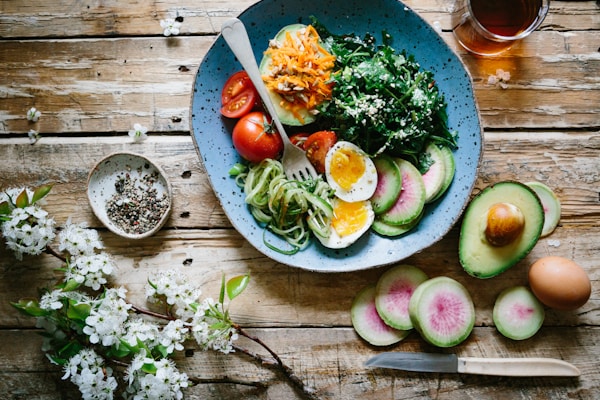
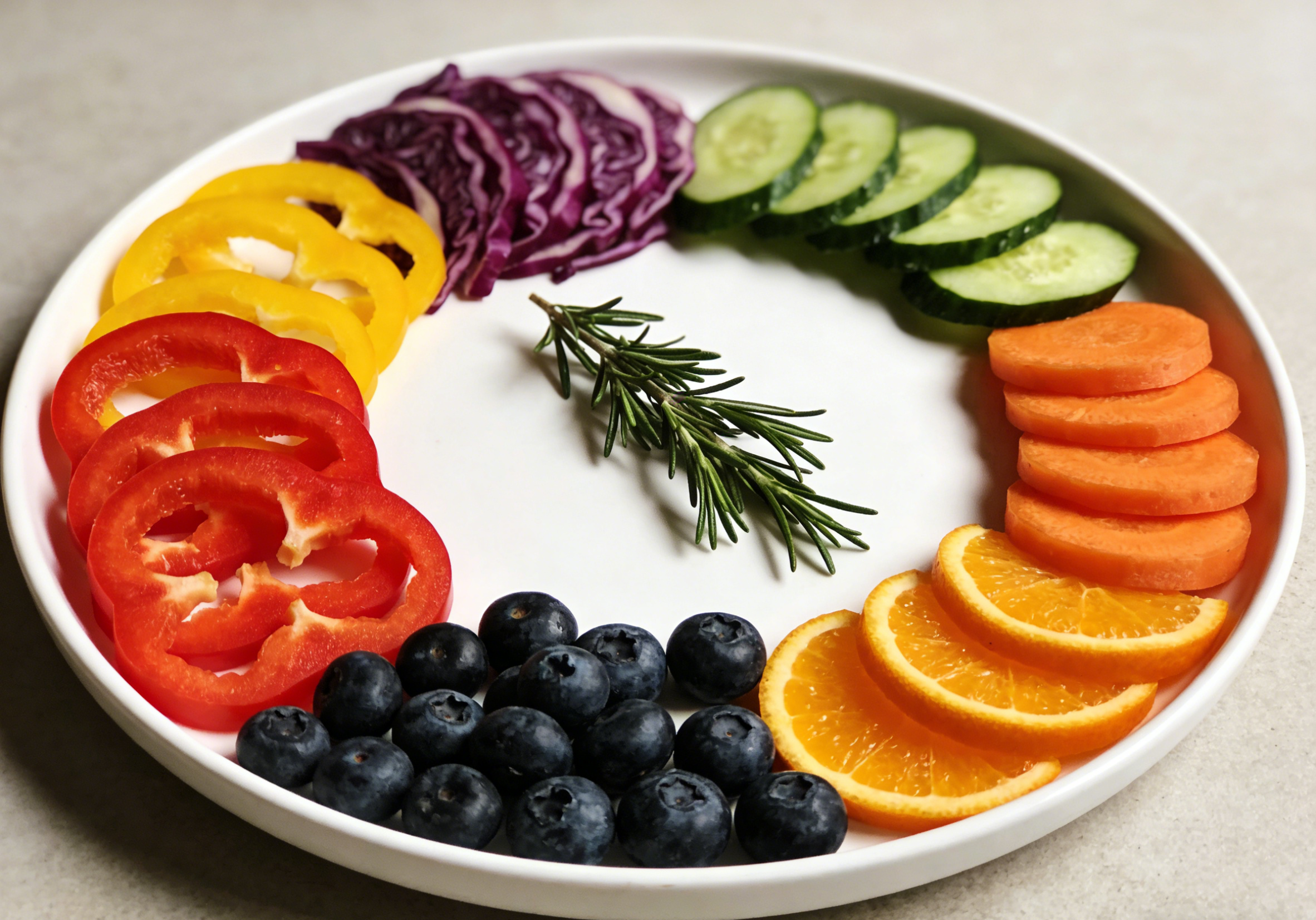
Excessive consumption of cooling foods is not advisable. In the sweltering heat, the body is prone to internal heat and depletion of qi and yin. Therefore, the first choice for diet should be light, sweet, and cooling foods, taking advantage of their heat-clearing, yin-nourishing, and fluid-generating effects. It is recommended to eat more seasonal fruits and vegetables, such as cucumbers, watermelons, bitter melons, mung beans, and loofahs. Throughout China, there are also many popular summer-relieving foods, such as herbal remedies like celery, turtle jelly, herbal teas, cooling herbal drinks, chrysanthemum tea, plum juice, and mung bean soup. These have a long history and are highly favored, often using herbs commonly used for clearing heat, generating fluids, and nourishing yin, such as honeysuckle, chrysanthemum, mint, dried plum, Imperata cylindrica root, lotus leaf, lily bulb, Prunella vulgaris, Houttuynia cordata, and purslane. Traditional Chinese medicine believes that "yang and yin are mutually rooted, and one waxes while the other wanes." While the focus during the Great Heat solar term is on clearing heat and relieving summer heat, excessive consumption of cooling foods, although effective in relieving heat, can also damage yang qi and generate internal yin evil. Therefore, the elderly and children with weak constitutions, chronic illnesses, or delicate spleens and stomachs should be especially careful and avoid excessive consumption of cooling foods.
"Sweating profusely and then being exposed to a draft" should be avoided. Traditional Chinese medicine believes that when sweating occurs, the pores are weakened, making it easier for pathogens to invade. In the heat of summer, the body sweats easily, and the skin pores are wide open, making it easier for wind, dampness, or cold pathogens to invade the body, leading to symptoms such as colds. This is especially true if one suddenly consumes cold or raw foods or is exposed to air conditioning after sweating profusely during exercise. Therefore, when sweating heavily in the summer, one should not immediately consume cold foods or wash their hair or bathe with cold water, and should especially avoid being directly exposed to a cold draft. It is recommended to drink room temperature water and wait a while for the sweat to dry before enjoying summer refreshments.
The best time to relax is during the hot summer months, when "a calm mind brings natural coolness." In hot weather, people are prone to feelings of irritability, fatigue, and anxiety. Traditional Chinese medicine believes that summer belongs to the element of fire, which corresponds to the heart, and sweat is considered the fluid of the heart; therefore, it is especially important to nourish the mind and spirit during summer. Ji Kang of the Jin Dynasty believed that in the heat of summer, "it is even more important to regulate breathing and calm the mind, keeping the heart as cool as ice and snow." During the Great Heat period, it is recommended to maintain a quiet and peaceful lifestyle, avoiding outdoor activities during periods of high temperatures.
Although the weather is hot during the Great Heat season, the scene of "lush green trees casting deep shadows on long summer days, pavilions reflected in the pond; crystal curtains swaying in the gentle breeze, the whole courtyard fragrant with roses" has its own unique charm. Health preservation should follow the natural rhythms of heaven and earth. In summary, health preservation during the Great Heat season means "a calm mind brings coolness, a diet of sweet, cold, and bland foods, treating winter illnesses in summer, and maintaining good health for a long time."