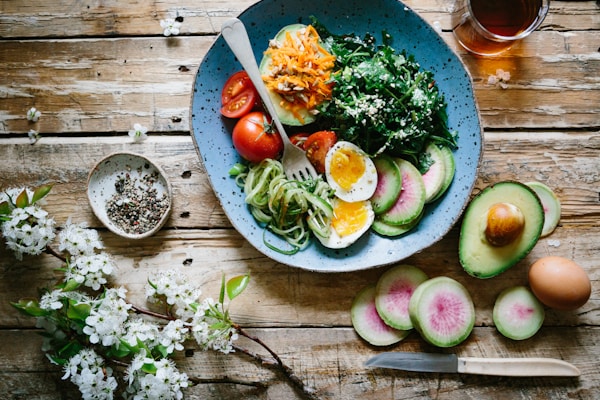
In this era where everyone is willing to spend a lot of effort to become beautiful, there are many medical aesthetic procedures that can combat aging and maintain youth. However, improper diet can cause skin inflammation. Even after medical aesthetic procedures, the skin condition may improve temporarily. However, skin problems such as pigmentation, dullness, and acne-prone skin will still reappear due to unhealthy diet and lifestyle.
In addition to sun protection, hydration, and face masks, food provides ample nutrition for skin regeneration, nourishing the skin from the inside out.
Some people say that "eating white foods can whiten your skin." Is this true? Actually, quite the opposite. The more colorful a food is, the better it is for your skin. The following 10 foods offer different benefits to the skin. Let's see if they are your favorite foods.
1. Deep-sea fish: rich in unsaturated fatty acids, vitamin E, etc.
If I could only recommend one type of food that's good for your skin, it would be deep-sea fish, salmon, saury, mackerel, and herring. These are all very beneficial for skin health because they are rich in omega-3 unsaturated fatty acids, which can reduce redness and acne caused by skin inflammation. A deficiency in this fatty acid can lead to dry skin.
Deep-sea fish are rich in vitamin E, which is one of the most important antioxidants for the skin. Sufficient vitamin E is essential for protecting the skin from free radicals and inflammation.
Deep-sea fish are rich in high-quality protein, which can help maintain skin elasticity and firmness;
Deep-sea fish are rich in zinc, which helps improve inflammation, maintain overall skin health, and promote the generation of new skin cells.
Recommended methods: Steaming or baking is better than stir-frying. 100 grams of deep-sea salmon contains 1000+ mg of omega-3 unsaturated fatty acids.
Recommended dish: Steamed salmon.
Skincare routine: 1 salmon + day and night cream all day.
2. Tomatoes: To a certain extent, they can fight aging.
Tomatoes are rich in lycopene, a phytochemical. In terms of skin health, lycopene protects the skin from sun damage and helps reduce free radical damage caused by ultraviolet rays, thus offering some anti-aging benefits.
Recommended method: It's better to eat it while it's hot than raw. Half-ripe tomatoes contain 16 milligrams of lycopene.
Recommended dish: Tomato and egg soup
Skincare routine: Eat one tomato throughout the day + apply sunscreen before going out.
3. Carrots: Prevent sunburn and dry skin.
Beta-carotene is a nutrient found in plants that can be converted into vitamin A in the body. It helps maintain healthy skin by acting as a natural sunscreen, and to some extent helps prevent sunburn, dry skin, and wrinkles.
From a culinary perspective, fried food tastes better than boiled food. It's recommended to eat one carrot daily and apply sunscreen every two hours during outdoor activities.
4. Avocado: Better antioxidant effect
It is rich in vitamin E and vitamin C, which together have a better antioxidant effect, helping to protect the skin from UV rays and oxidative damage. Vitamin C also participates in the production of collagen, the main structural protein that keeps skin strong and healthy.
It is recommended to eat it raw after cutting. 100 grams of avocado provides 14% of the daily requirement of vitamin E and 11% of the daily requirement of vitamin C.
5. Broccoli: It contains effective sun protection ingredients.
It is rich in a variety of vitamins and minerals that are very important for skin health, including zinc, vitamin A, vitamin C, and lutein. Lutein is a carotenoid similar to beta-carotene that helps protect the skin from oxidative damage.
It also contains a special isothiocyanate compound called sulforaphane, an effective sunscreen ingredient. Tests have shown that sulforaphane can reduce skin cells killed by UV rays by 29% and provide protection for 48 hours. It can also help maintain collagen levels in the skin.
6. Flaxseed: Helps improve skin blemishes and smooth fine lines.
Similar to walnuts, omega-3 fatty acids, rich in alpha-linolenic acid (ALA), help improve skin blemishes and smooth fine lines. A 2009 study published in the British Journal of Nutrition found that after taking about 3 grams of ALA daily for six weeks, skin irritation and redness were reduced, and skin hydration was improved.
This may be because alpha-linolenic acid can draw moisture into skin cells, making the skin plump and reducing wrinkles.
7. Walnuts: Help fight skin inflammation
Rich in essential fatty acids, walnuts have a suitable ratio of omega-3 and omega-6 fatty acids, which may help improve underlying skin inflammation.
In addition, walnuts contain zinc, protein, vitamin E, selenium, and other substances that help heal wounds and reduce inflammation, all of which are essential nutrients for healthy skin.
8. Bell peppers: Rich in beta-carotene and vitamin C.
As we age, taking large amounts of vitamin C can reduce the risk of wrinkles and dry skin.
9. Scallops: Rich in zinc and protein.
Similar to salmon, it is also a food rich in zinc and protein.
10. Green tea: Improves skin redness, roughness, and elasticity.
It contains a powerful antioxidant called catechin, which can improve skin redness, dryness, roughness, and elasticity.
While green tea is good for healthy skin, it should be avoided to drink it with milk, as milk can reduce the effectiveness of the antioxidants in green tea.
Finally, maintaining a good sleep schedule, getting enough sleep, and having a good mood are the real "anti-aging preservatives".