1. Dietary adjustments
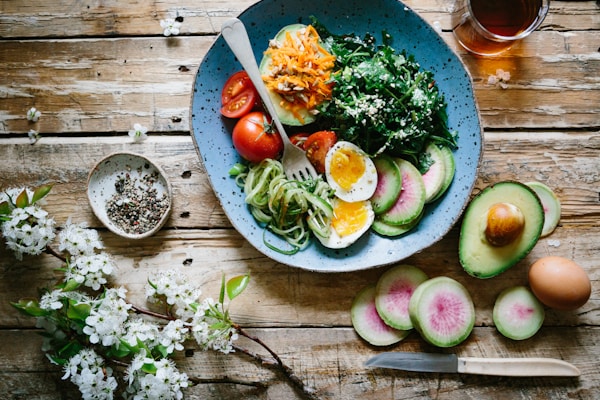
Red dates, lotus seeds, walnuts, black sesame seeds, yams, pumpkin, and water bamboo are all suitable foods to eat in autumn. In addition, parents can also give their babies some white fungus, lotus root, radish, lily bulbs, tomatoes, tofu, and bananas. These foods have the effect of moisturizing the lungs, promoting fluid production, nourishing yin, and clearing dryness.
Fresh fruits and vegetables are also essential foods in autumn. Besides containing a large amount of water, fruits and vegetables are rich in vitamins, minerals, and dietary fiber, especially citrus fruits and green vegetables, which are rich in vitamins A, C, B1, and B2. These nutrients not only help with a baby's growth and development but also have a cooling and detoxifying effect.
In addition, the most important thing is to provide your baby with a balanced diet, ensuring a proper combination of staple and side dishes, refined and unrefined grains, meat and vegetables, and solid and liquid foods. The diet should be light and easily digestible to keep bowel movements regular; eat more foods rich in mucopolysaccharides, lecithin, vitamins, and minerals, which are suitable for autumn; and eat less spicy and greasy foods, as these foods will deplete the body's water and aggravate the dryness and heat.
2. Clothing adjustment
The older generation often says "dress warmly in spring and lightly in autumn," and there's some truth to that. When the weather gets cooler, don't dress your baby in thick clothes too early. Overdressing can easily cause babies to get "heatiness" (a concept in Traditional Chinese Medicine), and they'll sweat more, making them more susceptible to colds when exposed to cool breezes. Appropriate "autumn chill" can also improve a baby's muscle and joint mobility, promote blood circulation, and enhance their cold resistance, all of which are beneficial for their growth and development.
The principle for dressing babies in autumn is to determine the thickness of their clothing based on their constitution and changes in indoor and outdoor temperatures. Add clothes gradually, with babies wearing one more layer than adults, one more layer in the morning and evening than at noon, and one less layer when active than when quiet. Parents can also check their baby's hands; they should feel warm and dry.