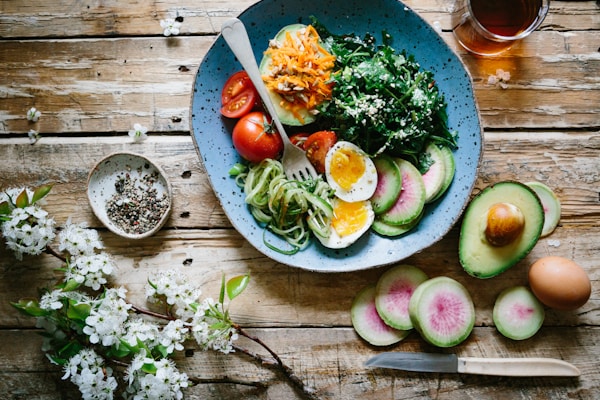
In Chinese folk tradition, the Beginning of Winter (Lidong) marks the start of winter. This is believed to not only strengthen the body but also provide excellent protection against the cold. So how should one nourish the body through diet during winter? Traditional Chinese medicine believes that dietary adjustments around the Beginning of Winter should follow the ancient principles of "nourishing Yin in autumn and winter," "not disturbing Yang," and "supplementing the deficient and warming the cold." Diet should be adjusted according to the changing seasons. Eat less raw and cold foods, but also avoid excessively hot foods. Targeted consumption of foods that nourish Yin and replenish Yang, and are high in calories, is recommended, along with plenty of fresh vegetables to avoid vitamin deficiencies.
What are some things to keep in mind when taking supplements in winter?
Winter tonics should be tailored to the individual, as food varies depending on grains, meat, fruits, and vegetables; people differ in age, gender, and constitution (whether it's deficiency or excess, cold or heat). Following the natural laws of human growth and the principles of Traditional Chinese Medicine, the focus should be on nourishing the young, regulating the middle-aged, preserving the elderly, and prolonging life for the very old. Therefore, winter tonics should be chosen specifically based on individual circumstances, selecting from mild to warming, gentle, or strong tonics, and should never be taken blindly.
1. Eat more staple foods, and eat appropriate amounts of mutton, quail, and sea cucumber.
Protein, fat, and carbohydrates are known as heat-producing nutrients. Therefore, in winter, we should appropriately increase our intake of staple foods and oils to ensure a supply of high-quality protein. Foods rich in protein and fat, such as dog meat, mutton, beef, chicken, venison, shrimp, pigeon, quail, and sea cucumber, produce a lot of heat and are most effective at keeping warm. When temperatures drop suddenly, some parts of the body are particularly sensitive to the cold and should be kept warm with extra care.
2. Kelp and seaweed can promote the secretion of thyroid hormones.
The human thyroid gland secretes hormones called thyroxine, which accelerate the oxidation of many cells in the body, increase the body's heat production capacity, enhance the basal metabolic rate, speed up blood circulation in the skin, and help resist cold. Iodine-rich foods can promote the secretion of thyroxine. Foods rich in iodine include: kelp, seaweed, laver, jellyfish, spinach, Chinese cabbage, and corn.
3. Animal liver and carrots can increase cold resistance.
Cold weather causes significant changes in the body's vitamin metabolism. Increasing the intake of vitamins A and C can enhance cold resistance and adaptability, and also has a good protective effect on blood vessels. Vitamin A mainly comes from animal liver, carrots, and dark green vegetables, while vitamin C mainly comes from fresh fruits and vegetables.
4. Sesame seeds and sunflower seeds can provide the essential elements for the human body to withstand cold.
Cold weather increases the body's need for methionine. Methionine can provide a series of methyl groups necessary for adapting to cold through transmethylation. Therefore, it is advisable to consume more foods rich in methionine during winter, such as sesame seeds, sunflower seeds, dairy products, yeast, and leafy green vegetables.