Three main causes of constipation during menopause in women
1. Spastic constipation
Spastic constipation is often accompanied by spasmodic abdominal pain, with the location of the pain being unpredictable. The urge to defecate is very strong, but the stool cannot be passed, or the stool is dry and hard, resembling sheep pellets. This is mainly caused by excessive tension in the intestinal wall muscles, which leads to narrowing of the intestinal lumen due to contraction, reduced intestinal mucus secretion, and difficulty in passing stool.
2. Constipation
Obstructive constipation is caused by tumors or other reasons that completely or partially obstruct the intestines, making it difficult for stool to pass. This type of constipation should be taken seriously, and prompt medical examination and treatment are necessary.
3. Atonic constipation
Atonic constipation is characterized by dry stools, difficulty in defecation, and large stools, accompanied by systemic symptoms such as dizziness, fatigue, and loss of appetite. It is mainly caused by the decline in metabolic function after menopause, the atrophy of the colon and rectum, and weakened intestinal peristalsis. It is also related to a diet that is too refined, lacking in dietary fiber, insufficient dietary fat, and inadequate water intake.
Six treatment methods for constipation during menopause in women
1. Maintain a regular lifestyle and drink water before meals.
Drink plenty of water in daily life. You can drink lightly salted water, honey water, fruit juice, vegetable water, or other beverages on an empty stomach every morning.
2. Massage your abdomen before bed to stimulate the intestines.
Before going to bed each night, it is best to massage your abdomen for 10 to 15 minutes to stimulate intestinal peristalsis.
3. Eat fruits and vegetables to promote bowel movements.
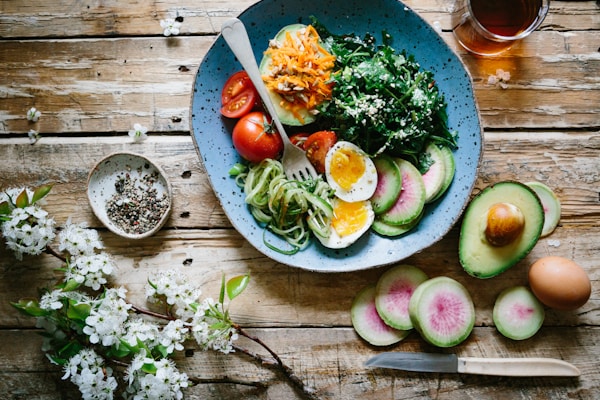
Sufficient fiber content can speed up bowel movements. Fruits and vegetables not only contain fiber and vitamins, but also promote smooth bowel movements due to their high water content.
4. Eat whole grains and drink milk and honey.
People eat less whole grains in their daily lives. Whole grains are rich in vitamin B, such as beans, yeast, and other whole grains, which can enhance intestinal motility. In addition, one should regularly consume foods that promote bowel movements, such as yogurt and honey.
5. For spastic or obstructive constipation, reduce the intake of spices to avoid irritation.
Later, due to the decline in metabolic function, the colon and rectum begin to atrophy, and the secretion of intestinal mucus decreases. If there are too many spices and too much fiber in the diet, it can cause spastic constipation. For such patients, the diet should avoid irritating foods such as alcohol, strong tea, coffee, spicy seasonings and various spices, and eat less high-fiber foods such as raw fruits and dried fruits. Be careful with substances that easily cause abdominal bloating, such as sucrose and radishes. Instead, a low-fiber semi-liquid diet should be given.
6. For atonic constipation, eat a high-fiber diet and use more cooking oil.
Insufficient vitamins, a lack of vegetables and fruits in the diet, inadequate water intake, and insufficient fat intake can lead to atonic constipation. For this type of constipation, a high-fiber diet should be adopted to promote intestinal peristalsis, such as adding green vegetables, fruits, whole grains, and raw salads; adding agar-agar dishes can also help soften stools; eat more foods rich in vitamin B1, such as wheat bran water, fruit juice, and soy products; drinking 1-2 cups of lightly salted water on an empty stomach every morning and a cup of kombucha before bed can promote bowel movements; using more vegetable oil can lubricate the intestines and promote bowel movements. Regularly eating moderate amounts of gas-producing foods, such as honey, onions, soybeans, raw cucumbers, and raw potato juice, is also beneficial.