The onset of puberty marks a turning point in human physiological development. At this time, various organs rapidly develop and mature, leading to an increasing demand for nutrients. Since puberty is a necessary transitional period for everyone, diet during puberty significantly impacts a woman's health. Proper eating habits can ensure healthy physical development. So, what should we pay attention to regarding diet during puberty? Below, we'll inform you of some dietary considerations for puberty.
1. Eat more grains to provide sufficient energy.
Adolescents have higher energy requirements than men and women, requiring approximately 10,040-11,720 kilojoules per day.
II. Develop the excellent habit of eating breakfast
If necessary, add a glass of milk or soy milk during breaks; a nutritious breakfast not only ensures the normal physical development of teenagers, but also plays an important role in improving their learning efficiency.
Third, avoid overeating, picky eating, and blindly dieting; eat fewer snacks; and cultivate excellent eating habits.
For girls, excessive focus on their figure due to societal trends and customs, leading to blind dieting or even starvation, can severely impact their eating habits. However, the physiological development of girls necessitates a sufficient intake of fat; approximately 25%-30% of a girl's daily energy intake should come from fat, with an optimal ratio of animal to plant fats of 1:2. Healthy snacks include dairy products such as milk and yogurt, various fresh vegetables and fruits, and nuts such as peanuts and walnuts. Furthermore, snacks should be consumed in moderation and should not interfere with regular meals.
IV. Ensure adequate intake of fish, meat, eggs, milk, beans, vegetables, and fruits.
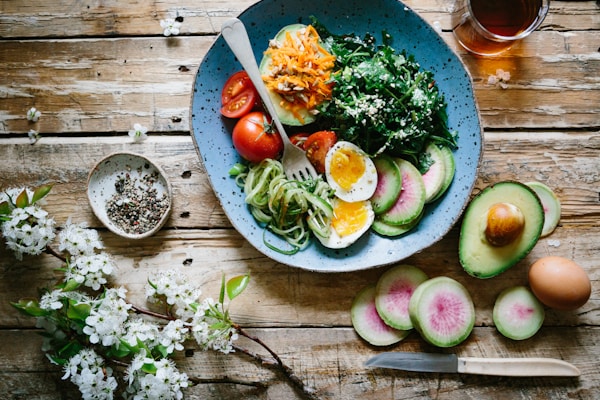
The increased protein requirements during puberty are particularly pronounced, reaching 80-90 grams daily, with high-quality protein accounting for 40%-50%. Therefore, the diet should include sufficient animal-based foods and soy products. Vitamins A, D, C, and B complex, as well as minerals such as calcium, phosphorus, zinc, and iron, play a vital role in the physical and mental development of adolescents. In particular, calcium intake is crucial; according to national nutrition survey data, the average daily intake is only 341-374 mg, representing only 38.9%-52.5% of the recommended daily intake. Therefore, milk and dairy products are indispensable in the diet.
5. Participate in physical activities and strengthen physical exercise.
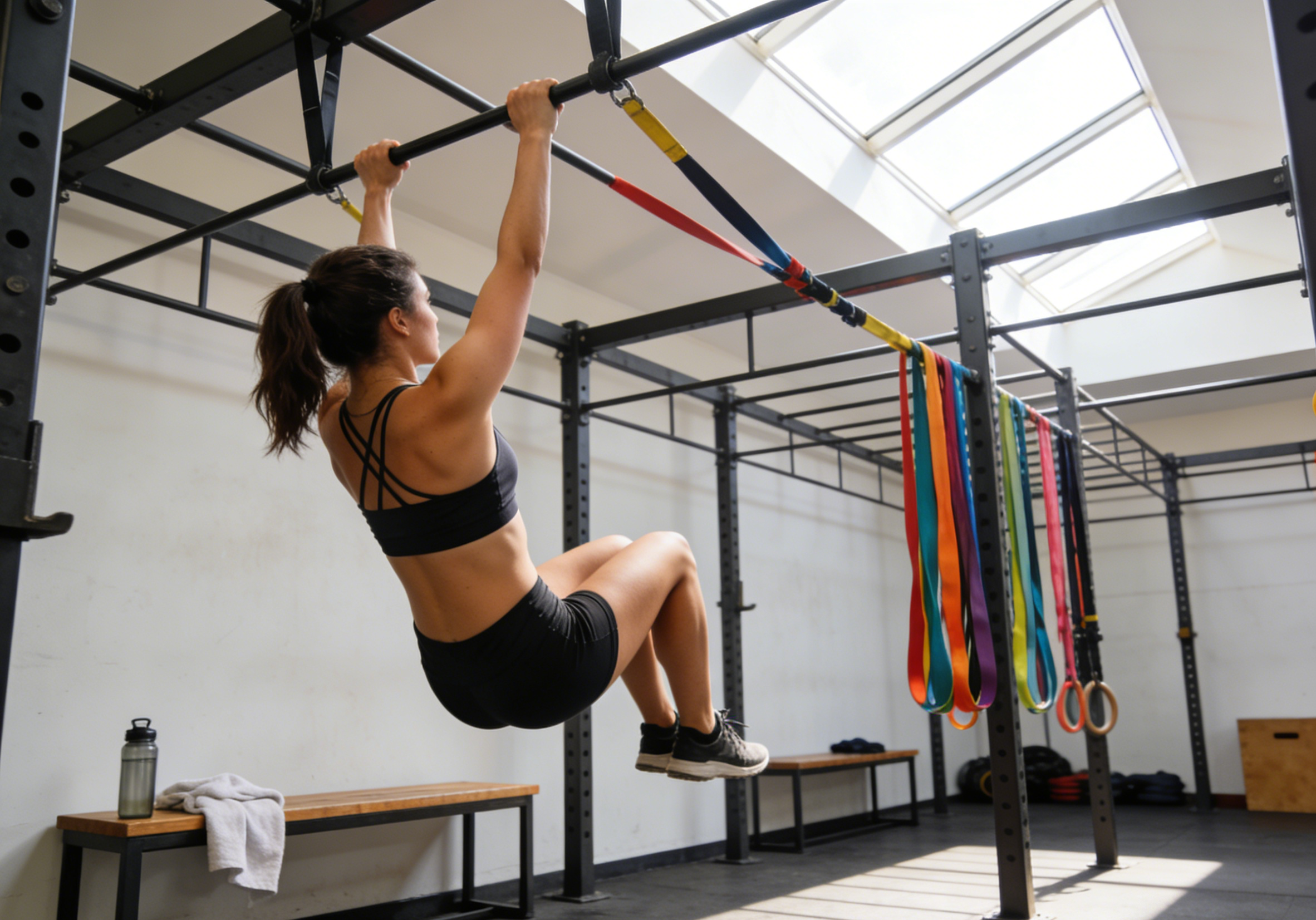
Appropriate exercise combined with proper nutrition can promote growth and development in adolescents, improve cardiopulmonary function, enhance endurance, reduce body fat, and improve mental well-being. This economical, useful, effective, non-pharmaceutical method with no side effects plays a significant role in improving the quality of life and health of the Chinese people.
Sixth, during adolescence, academic workload is heavy, so attention should be paid to nutrition and diet during peak study periods, such as exam times.
When the body is in a critical condition, the consumption of certain nutrients, such as protein, vitamin A, and vitamin C, increases. It's important to replenish these nutrients. Foods rich in protein and vitamins include fish, lean meat, liver, milk, and soy products, while fresh vegetables and fruits are rich in vitamin C and minerals.
In addition, teenage girls should absolutely avoid alcohol and smoking. Generally speaking, animal-based foods contain more zinc than plant-based foods. For example, lean meat, beef, yellow croaker, and other seafood are all high in zinc. Whole wheat flour, soybeans, and apples are also relatively high in zinc and should be consumed with care. Refined rice and enriched flour should be consumed sparingly, and animal-based foods should not be restricted, in order to maintain a slim figure. During puberty, it is essential to cultivate good dietary habits to promote rapid physical development.