When does menopause begin in women?
Menopause is a transitional period in a woman's life from sexual maturity to old age, referring to the period from several months before menstruation completely ceases to several years after menopause. It is an inevitable life stage for women transitioning from their reproductive years to old age. Menopause can be divided into premenopause, menopause (cessation of menstruation), and postmenopause (one year after menstruation ceases), marked by the gradual decline and eventual complete cessation of ovarian function. However, the age of menopause varies from person to person, as the onset of menopause is influenced by factors such as genetics, constitution, region, climate, race, and nutrition.
How should women take care of themselves during menopause?
1. Drink less coffee.
Studies have shown that caffeine can cause hot flashes because it dilates blood vessels. Furthermore, long-term coffee consumption is a contributing factor to osteoporosis.
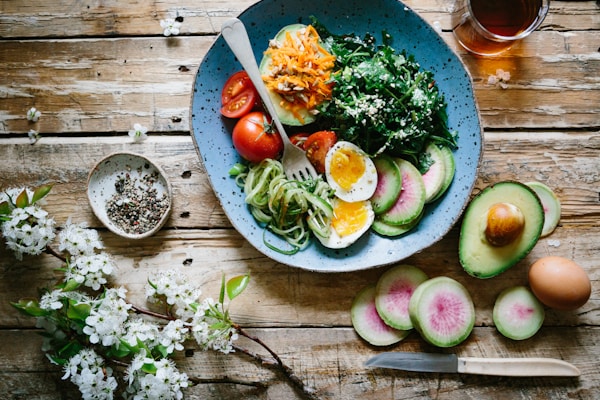
2. Eat more fruits, vegetables, and whole grains.
Many fiber-rich vegetables, such as bean sprouts, radishes, taro, seaweed, leafy greens, potatoes, cucumbers, and green peppers, help with the secretion of digestive juices, increase gastrointestinal motility, and promote cholesterol excretion. In addition, onions and garlic have good lipid-lowering and digestive-aiding effects. Black fungus and shiitake mushrooms can replenish qi and strengthen the body, benefiting qi and aiding digestion. Furthermore, staple foods should include a combination of whole grains and refined grains to ensure adequate intake of B vitamins.
3. Reduce salt intake.
Menopausal women may experience edema and high blood pressure due to hormonal changes, so they should strictly limit their salt intake, ideally to 3-5 grams per day.
4. Increase calcium and iron intake.
Due to low hormone levels, menopausal women experience significant calcium loss from their bones, making them more prone to osteoporosis and increasing their risk of fractures. Therefore, they should consume more calcium-rich foods such as fish and milk, which not only contain high-quality protein but also abundant calcium.
5. Eat more fish, shrimp, and beans.
Fish and shrimp contain high-quality protein, which is essential for tissue repair and maintaining immune function. Therefore, women in their forties should consume more of this type of high-quality protein, ideally from low-fat dairy products, legumes, and fish and shrimp. Legumes contain isoflavones, which can act like estrogen and alleviate menopausal discomfort.
6. Control your intake of high-fat and high-sugar foods.
Women going through menopause are prone to obesity because hormonal changes during this period disrupt the appetite center. Furthermore, as people age, their physical activity decreases, leading to reduced calorie expenditure and a higher risk of obesity. Obesity, in turn, promotes arteriosclerosis and increases the incidence of cardiovascular disease. Therefore, women in their forties must control their diet, especially limiting their intake of high-fat and sugary foods, while maintaining a healthy exercise routine to help reduce the risk of cardiovascular and cerebrovascular diseases.