Liver health is crucial for our bodies, but people who frequently drink alcohol are often at higher risk of developing liver disease. Once this disease develops, patients may experience a darkening of the complexion. So, what should you do if your liver is unhealthy? What are the symptoms?
There are four main symptoms of poor liver function.
1. Red nose tip
A "red nose" is caused by the dilation of capillaries in the tip of the nose. While a "red nose" is not necessarily caused by liver damage, women are more prone to developing a "red nose" when their liver function is impaired or their hormones are imbalanced.
2. Gets drunk easily
Some people who used to have a high alcohol tolerance now feel "drunk" after only a little alcohol. This is a sign that their liver function is declining, their liver is damaged, and their liver cannot completely break down the alcohol metabolite acetaldehyde.
3. Dark complexion
The liver plays a vital role in iron metabolism, normally storing iron within it. When liver cells are damaged, iron from within them flows into the bloodstream, increasing blood iron levels and causing a darkening of the complexion. This symptom is most common in men and postmenopausal women. Therefore, if you experience a darkening of the complexion, it's crucial to be alert to potential liver damage and take timely measures to protect your liver.
4. Increased acne
Progesterone in the body promotes sebum secretion. The liver, on the other hand, breaks down progesterone and regulates hormonal balance. Therefore, impaired liver function can lead to increased sebum production, ultimately resulting in acne breakouts.
In addition, signs of poor liver function in women include menstrual irregularities, reduced menstrual flow due to insufficient liver blood, and in severe cases, amenorrhea, as well as uterine and ovarian atrophy. Poor liver function in women can also be reflected on their face. First, look at the forehead; acne and enlarged pores may appear there. Secondly, observe the skin and eyes. Poor liver function can cause pale or dark skin, dry and blurry eyes, indicating insufficient blood supply to the liver area and nutritional imbalance in the eyes. The eyes may also appear yellow (especially the sclera).
A woman's life revolves around blood, and the liver plays a crucial role in this process. It functions as a blood producer, storer, regulator of blood volume, and transporter of blood to various organs. It also breaks down nutrients and regulates hormones. Furthermore, the liver is the body's most powerful detoxification and nutrient delivery system, nourishing all of a woman's organs. If the liver cannot perform these functions, it can lead to endocrine disorders, imbalances in Qi and blood, and menstrual irregularities. Insufficient liver blood can cause reduced menstrual flow, and in severe cases, amenorrhea and uterine and ovarian atrophy may occur.
How to nourish and protect your liver?
1. Adjust your sleeping position
Sleeping on one's side is a common sleeping position for many people, and it's easy to turn from lying on one's back to lying on one's side. Because the liver meridian runs along both sides of the body, lying on one's side, whether on the left or right side, can nourish liver qi. When a person lies on their side, blood naturally flows to the liver meridian. "The liver is responsible for storing blood," and once the blood returns to the liver meridian, the body can fall asleep peacefully and begin its daily blood-producing function.
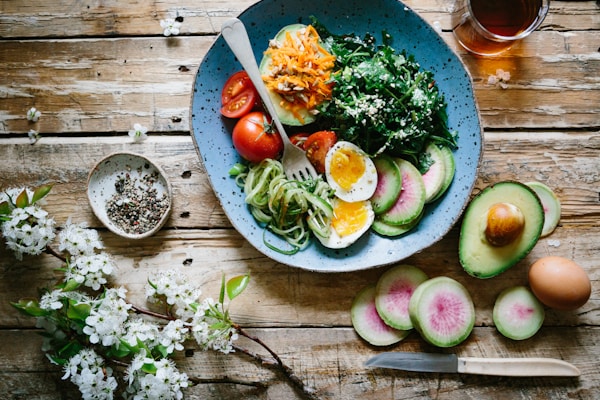
2. Balanced nutrition
For liver health, the nutritionist's first dietary recommendation is "balance," meaning that you should consume all types of food every day in a good proportion. Each of the five colors of fruits and vegetables has its own advantages. For example, green, red, and yellow fruits and vegetables contain lutein; cruciferous vegetables such as cauliflower and white cauliflower are cancer-fighting agents, and so on. Choose and vary your choices when dining out.
3. Appropriate exercise
Maintain a moderate level of exercise daily, gradually adjusting the intensity based on your individual liver function. In the initial stages, start with slow jogging, ensuring comfort and controlling the duration based on your level of fatigue. Liver health is not achieved overnight; consistency is key, and this applies to everything, including liver health. Healthy foods are found in nature; we should seek out nourishing foods from nature, improve our daily eating habits, and maintain a balanced diet to ultimately protect our liver.
4. Eat strawberries
For those with excessive liver fire, strawberries can both nourish the liver and effectively reduce liver fire. From a Traditional Chinese Medicine perspective, strawberries are cool in nature and slightly sweet and sour, nourishing and protecting the liver. Furthermore, because red is associated with the heart, they can reduce heart fire. In addition, strawberries are a typical berry, rich in Vitamin C, which helps the body absorb iron and nourish cells. Their natural anti-inflammatory components can reduce the production of free radicals, keeping brain cells active. They can also help refresh the mind during the spring drowsiness season. However, because strawberries are cool in nature, they should not be eaten in large quantities at once, especially by those with weak spleen and stomach, prone to diarrhea, or excessive stomach acid.
5. Drink dairy products
Dairy products primarily supplement the body with protein, with yogurt being the best choice, as it can regulate gut microbiota and promote toxin elimination. Furthermore, yogurt can promote interferon production, thereby enhancing the body's immune system and achieving the goal of liver protection.