Common symptoms of gastrointestinal dysfunction include loss of appetite, nausea, vomiting, upper abdominal pain, bloating, belching, and heartburn. Some patients may also experience alternating diarrhea and constipation. It is often accompanied by mental symptoms such as insomnia, anxiety, depression, and difficulty concentrating, and the condition often fluctuates with changes in mood.
In traditional Chinese medicine, if the spleen fails to ascend, abdominal distension and diarrhea will occur; if the stomach fails to descend, acid reflux and belching will occur. The root cause lies in the disharmony between the spleen and stomach.
Food enters the stomach through the mouth and is excreted through the intestines. During this process, digestion and absorption involve both ascending and descending movements. The spleen and stomach are located in the middle jiao (middle burner). The spleen governs the ascending of clear qi, while the stomach governs the descending of turbid qi. The spleen and stomach are the source of qi and blood production. The essence of food and water ingested is distributed throughout the body via the orderly ascending and descending movements of the spleen and stomach, nourishing the entire body and maintaining normal bodily functions. The spleen and stomach are the hub of the entire qi mechanism. The spleen primarily functions to ascend; when its function is impaired, abdominal distension and diarrhea easily occur. The stomach functions to descend; if stomach qi ascends instead of descending, it easily leads to stomach qi rebellion, causing nausea, belching, acid reflux, and loss of appetite. Abnormal spleen and stomach function further affects the function of the large and small intestines. If the small intestine cannot separate clear and turbid qi, nutrients cannot be absorbed, and diarrhea is likely. If the large intestine's peristalsis is impaired, metabolic waste cannot be smoothly excreted, remaining in the intestines and leading to constipation.
Meridian therapy "exercises" the digestive system and adjusts functional disorders.
Many people feel "full of anger" when they get angry, which reflects the influence of liver qi on the spleen and stomach. In Traditional Chinese Medicine (TCM), when a person is angry or depressed, their liver qi is prone to becoming excessive or stagnant. This causes the liver to vent all its anger on its subordinate organs, the spleen and stomach, leading to problems such as abdominal distension, loss of appetite, and other gastrointestinal issues. These are all caused by negative emotions like suppressed anger. Therefore, the solution lies in soothing the liver and relieving stagnation, suppressing wood and supporting earth – that is, improving gastrointestinal function by strengthening the spleen and stomach's digestive functions.
A proper order of eating can help prevent gastrointestinal disorders.
Eat vegetables first, then meat
Nutritionists at Columbia University in the United States have discovered through long-term research that regardless of the complexity or quantity of food consumed, the human body always digests food strictly in the order in which it is eaten. If people start with foods that are too complex and require a long time to digest, and then follow them with simple, easily digestible foods, it will greatly hinder the absorption and utilization of nutrients by the digestive system.
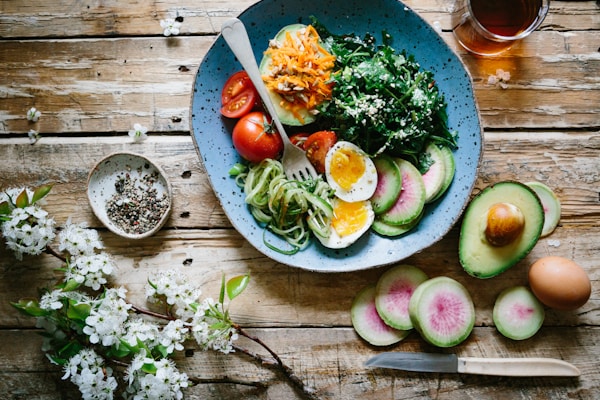
Nutritionists recommend the following eating order: first, drink a small bowl of soup or a small glass of fresh juice, then eat vegetables, and finally eat more complex foods such as meat, eggs, and cheese.
This order of eating allows people to make good use of the nutrients in food and reduces the burden on the gastrointestinal tract, thus achieving the goal of healthy eating.
Do not eat fruit immediately after meals
Among various foods, the main component of fruit is fructose, which does not need to be digested by the stomach but is directly absorbed in the small intestine. However, if you eat fruit immediately after a meal, your stomach and intestines need to digest and absorb the starch, fat, and protein ingested during the meal first, and then absorb the fructose from the fruit.
In the human body, fruits generally ferment or even rot within one or two hours, producing toxins that can lead to digestive tract diseases such as gastritis and enteritis.
Nutritionists warn that fruit should not be eaten immediately after meals. The stomach and intestines need time to digest other foods to prevent the fruit from rotting and producing toxins before it is absorbed by the body.
It is not advisable to drink soup during or after meals.
The biggest drawback of drinking soup while eating is that the food is swallowed without being chewed properly. The biggest drawback of drinking soup after eating is that excessive soup will dilute the digestive juices, thereby weakening the digestive capacity of the stomach and intestines, and may even cause the stomach to over-expand. Over time, this will lead to insufficient gastric motility.
Therefore, drinking a small bowl of soup before meals is more in line with physiological requirements, because an appropriate amount of soup can not only moisturize the digestive tract before meals, but also avoid excessively increasing stomach capacity, while promoting the regular secretion of digestive juices.