Anemia is a major concern for women, and many factors can cause it, such as excessive menstrual bleeding. So how can anemia be treated? Let's look at some dietary methods below.
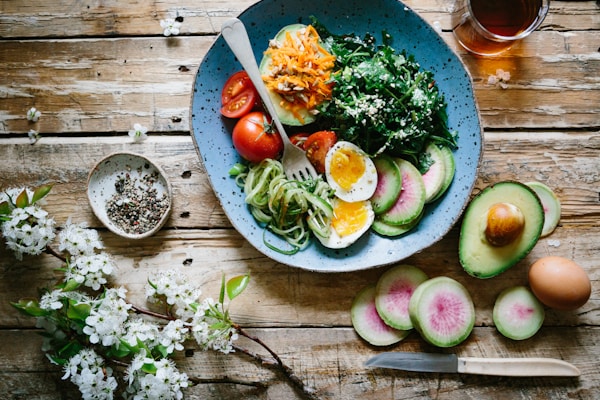
For example, first, pay attention to your diet, ensuring a balanced intake of iron-rich foods such as liver, egg yolks, and grains. If your dietary iron intake is insufficient or you are severely iron deficient, you should immediately supplement with iron. Vitamin C can help with iron absorption and also helps in the production of heme iron, so your vitamin C intake should also be adequate. Secondly, eat plenty of fresh vegetables. Many vegetables are rich in iron, such as black fungus, seaweed, laver, shepherd's purse, black sesame seeds, and lotus root powder.
Women are more prone to iron-deficiency anemia because they lose blood regularly during their menstrual cycle. On average, about 20% of women and 50% of pregnant women experience anemia. If the anemia is not severe, there's no need to take supplements; adjusting your diet can usually alleviate the symptoms.
1. Iron deficiency anemia: It is necessary to supplement with foods rich in iron. Foods that are rich in iron usually include beef liver, pork liver, pork stomach, pork kidney, chicken and duck liver, beef lung, beef kidney, beef broth, dried yellow croaker, dried anchovies, squid, jellyfish, shrimp, dried shrimp, egg yolk powder, and other meats. Vegetables include rapeseed, celery, spinach, daylily, shepherd's purse, leeks, dried tofu, and tofu skin. In addition, peaches, oranges, and red dates are also rich in iron. Among these foods, beef liver, pork liver, chicken liver, and duck liver are the best.
2. Folic acid and vitamin B12 deficiency anemia: Animal liver and kidneys, as well as fresh leafy green vegetables should be supplemented.
3. Protein deficiency anemia: You should supplement your diet with lean meat, such as chicken, duck, beef and mutton, as well as soy products.
It is important to remind everyone that people with anemia often have poor gastrointestinal function, so nutritional supplements should be increased gradually to reduce the burden on the gastrointestinal tract and avoid indigestion.
The most common blood-nourishing foods include black moss, black beans, carrots, spinach, daylily, gluten, and longan pulp.
Blood-nourishing recipes include stir-fried pork liver, pork liver and red date soup, black fungus and red date drink, hawthorn and cinnamon brown sugar soup, ginger and red date brown sugar water, and ginger and coix seed porridge.
Sufficient iron can promote hematopoiesis, so the main way to replenish blood is to supplement iron. You can start with dietary supplementation by choosing to eat foods rich in iron.
The following are the main iron-rich foods, measured in milligrams per 100 grams of food.
Millet 4.7g, Rice 0.7-1.8g, Celery 8.5g
Spinach 2.5g, rapeseed 3.4g, soybeans 11.0g, cauliflower 1.8g
Carrots 1.9g, white radishes 1.9g, seaweed 32g, kelp 158g.0g
Black fungus 185.0, Shiitake mushrooms 23.0, Egg yolks 7.0, Broad beans 7.0
Lean pork 2.4g, pork liver 25g, beef 3.2g, lamb 3g.0g
Chicken 1.5g, Milk 0.1g
Animal-based foods are the richest source of iron, containing about 20%, while plant-based foods contain less, around 10% or less. Eggs contain the least iron, so don't rely on eggs to supplement your iron intake. Soybeans, on the other hand, are very high in iron and can be consumed more often.
Iron Supplement Menu
breakfast:
1. Stir-fried wood ear mushrooms with peanut oil. This dish is believed to have blood-cleansing, blood-circulating, and qi-regulating effects.
Instructions: Use peanut oil. Once the oil is hot, add ginger slices and stir-fry for about 2 minutes. Then add wood ear mushrooms, salt, and MSG to taste.
2. Stir-fried spinach with peanut oil. This dish is good for replenishing blood.
Lunch:
1. Choose peanut oil. After the oil is heated, add carrots and peanuts and stir-fry. This dish is good for brain health.
2. Cooking glass noodles, peas, and tofu together into a soup can help replenish blood and improve circulation.
dinner:
1. Stir-fry the lettuce with peanut oil.
2. Boil white radish, carrot, cilantro, and wood ear fungus together to make a soup, and add an appropriate amount of cilantro and sesame oil. This soup can help replenish blood and improve circulation.
The following vegetables can also help replenish blood:
1. Daylily is very rich in iron, and also contains abundant vitamin A, vitamin B1, vitamin C, as well as protein and fat.
2. Salted dried radish is rich in vitamin B and also has a high iron content.
3. Black beans have the effect of nourishing blood and can also nourish hair, making it darker. Black bean soup is very suitable for women after childbirth.
4. Longan, also known as dried longan, is rich in iron and also contains vitamin A, vitamin B, glucose and sucrose. Consuming longan soup, longan wine, and longan jelly are all good ways to replenish blood.
5. Carrots are rich in vitamin B, vitamin C, and carotene, which are very beneficial for replenishing blood. Carrot soup can be consumed.
6. Black moss contains a lot of iron, which can help replenish blood. Women can eat more black moss soup after childbirth.
7. Spinach is rich in carotene and iron, making it an important member of the blood-enriching food group.