Among the elderly, there's a group of fitness enthusiasts. Some enjoy dancing and aerobics, while others are passionate about weightlifting at the gym. Chen Jifang, the fitness grandma who appeared on CCTV, became famous for being able to perform various weighted push-ups, high-difficulty ab wheel exercises, and battle rope workouts at 70, leaving many young people feeling ashamed of their abilities. However, fitness enthusiasts like Grandma Chen are still a minority. Can elderly people with weakened physical functions really exercise? Let's take a look at today's article!
Can older adults exercise?
It is clear that older adults can also exercise, and there are many benefits to it.
After age 70, people lose 15% of their muscle strength every ten years, and 76% of falls in the elderly are due to weakened muscles and poor balance. Appropriate exercise can strengthen muscles and bones, making it an effective way to prevent falls and fractures. Furthermore, numerous studies both domestically and internationally have shown that scientific exercise can reduce the incidence of hypertension by 50%, diabetes by 50%, cardiovascular disease by 40%, stroke by 27%, and Alzheimer's disease by 33%.
Fitness "danger zones" for seniors
Blindly choosing exercise methods may harm the body. Considering the physical characteristics of the elderly, the following exercise suggestions should be avoided:
First, jumping exercises, such as high jump and long jump, increase the burden on the knee and hip joints, as well as the pressure on the spine and lower limbs. Due to decreased balance, the likelihood of falls increases when fatigue sets in, leading to sprains, fractures, and other injuries.
Secondly, exercises that require bending forward, such as bending over to touch your toes, sit-ups, and rowing machine exercises, can increase spinal pressure, potentially causing lumbar disc herniation or worsening lumbar disc degeneration in the elderly.
Third, shoulder exercises. Many elderly people like to frequently perform lifting movements, including pull-ups or rings, baseball throwing, weightlifting snatches, etc., believing that this can relieve shoulder pain. However, this can actually increase the load on the shoulder joint, causing rotator cuff tears or worsening shoulder pain.
Sports suitable for the elderly
There are many sports suitable for older adults, but when choosing, it's important to consider their individual health conditions. Below are some widely applicable exercises that can be used as a reference for daily exercise.
1. Walking and jogging: This is a moderate-intensity aerobic exercise that is very suitable for the elderly. It can enhance cardiopulmonary function, promote blood circulation, maintain leg strength, and help maintain body flexibility.
2. Swimming: Swimming is a very gentle aerobic exercise that puts less stress on the joints, thus reducing the risk of sports injuries. It can make skeletal muscles more flexible, exercise muscles throughout the body, prevent osteoporosis, and help improve cardiopulmonary function.
3. Cycling: Cycling can train the agility of the eyes, brain and nervous system of the elderly, which can not only reduce premature brain aging, but also benefit the cardiovascular health and physical flexibility of the elderly.
4. Yoga or Tai Chi: Both are low-intensity aerobic exercises that can help older adults improve their balance and flexibility, maintain joints and muscles, and relax the mind and body and promote a peaceful state of mind.
5. Gentle strength training: Older adults can also do appropriate strength training. They can use light-load dumbbells or resistance bands, or they can use their body weight for strength training, such as squats and wall push-ups, which can help older adults strengthen their muscles and improve bone density.
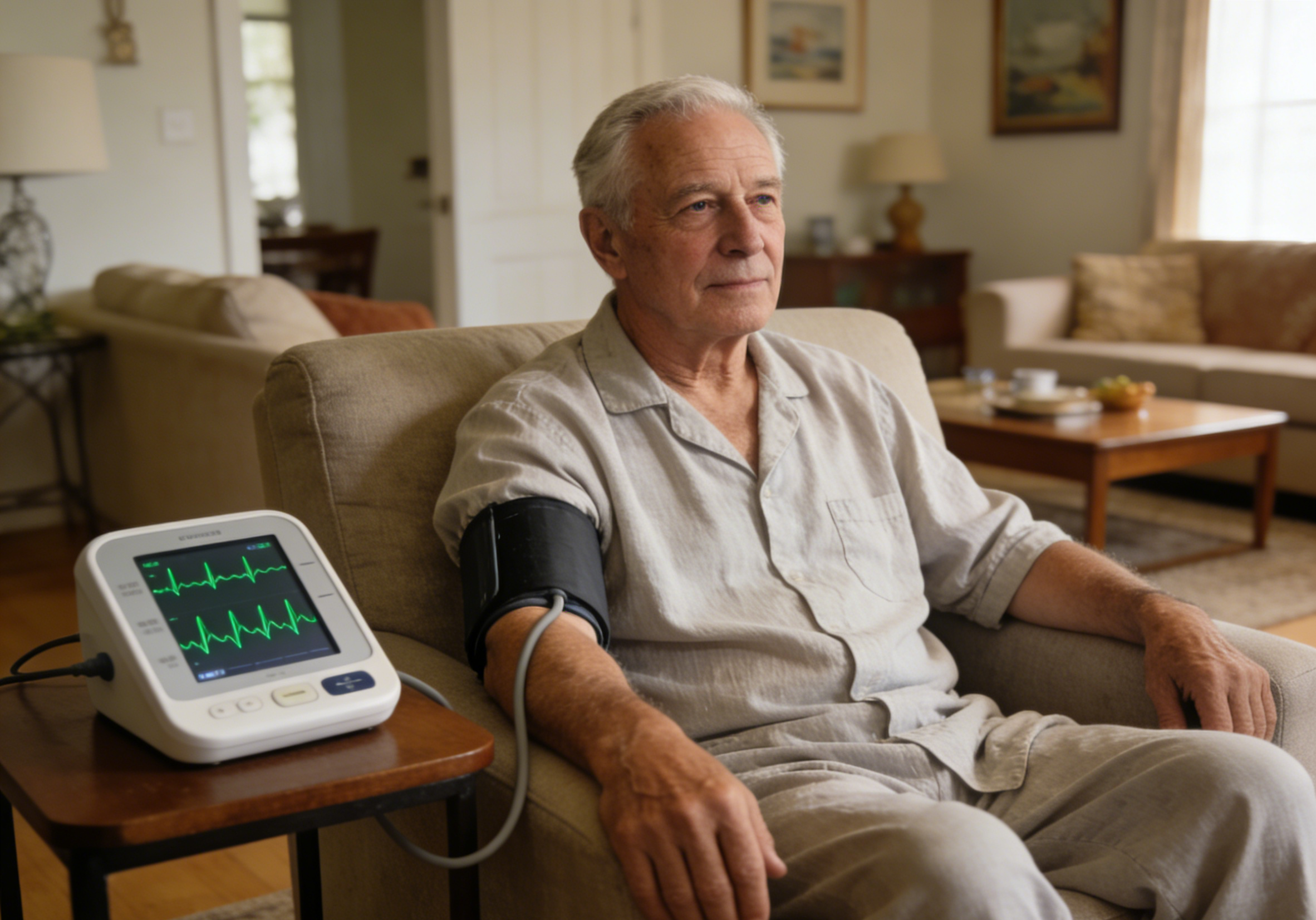
While exercise offers numerous benefits, older adults often have underlying health conditions and declining physical fitness. Therefore, in addition to avoiding certain exercise "pitfalls," it's recommended to undergo a risk screening before starting any activity and develop an "exercise prescription" based on their individual circumstances, followed by targeted training under professional guidance. For example, those with a history of hypertension should wait until their blood pressure is stable before exercising; older adults with osteoporosis are not suitable for weight-bearing exercises or exercises requiring explosive power. Finally, we hope everyone can exercise scientifically and appropriately for a healthier and more elegant life.