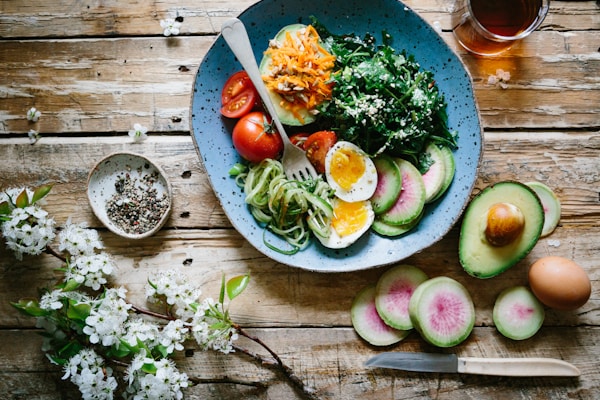
Vitamin E, also known as tocopherol, has been shown in animal studies to delay the process of gonadal atrophy and play an anti-aging role. Vitamin E also has antioxidant properties, which can scavenge free radicals and improve skin elasticity. Vitamin E is mainly found in various cooking oils used in daily life. A diet that is too bland and low in oil may lead to vitamin E deficiency, which can affect the normal menstrual cycle, causing dysmenorrhea , premenstrual syndrome, and other related problems.
I. Vitamin E relieves premenstrual syndrome
Premenstrual syndrome (PMS) refers to a series of recurring mental, behavioral, and physical symptoms experienced by women of reproductive age 7 to 14 days before their expected menstruation (i.e., during the luteal phase of the menstrual cycle), which disappear rapidly after menstruation begins. Because the mental and emotional disturbances associated with this condition are more prominent, it was previously known as "premenstrual tension disorder" or "premenstrual tension syndrome."
According to the British newspaper Daily Mail, research shows that a new type of vitamin E capsule can alleviate symptoms of premenstrual syndrome.
According to reports, 75% of women in the survey suffered from premenstrual syndrome (PMS), and as many as 40% said that the condition seriously affected their quality of life. Patients often begin experiencing irritability, depression, anxiety, sadness, as well as a range of physical and psychological symptoms and signs, such as breast tenderness, limb swelling, abdominal bloating, and headaches, 7-14 days before menstruation.
Researchers have pointed out that premenstrual syndrome is related to abnormal prolactin levels in women, and compound vitamin E capsules can greatly reduce the body's sensitivity to this hormone, thereby relieving or eliminating premenstrual tension symptoms.
II. Vitamin E can relieve menstrual cramps.
A new study abroad suggests that vitamin E may help treat menstrual cramps. Menstrual cramps in women are associated with high levels of prostaglandins, a hormone-like substance, and vitamin E can help block the formation of prostaglandins.
Iranian researchers conducted an experiment in which they divided 100 high school girls aged 16-18 with varying degrees of dysmenorrhea into two groups. Two days before the start of their periods and three days before menstruation, the experimental group took five tablets of Vitamin E daily, while the control group received the same dose of a placebo. After a two-month follow-up, the pain scores were almost identical at around 5.5. However, after two months, most of the experimental girls reported a pain score that decreased to 3.5, while the control group reported a score of 4.3.
The experimental results show that vitamin E does have a certain effect on treating dysmenorrhea. However, it cannot replace local heat therapy, oral contraceptives , and other methods that have already proven effective in treating dysmenorrhea. Furthermore, if you want to take medication to relieve dysmenorrhea, you should do so under the guidance of a doctor and not take medication arbitrarily.
Recommended reading:
To relieve menstrual cramps, remember these seven dos and five don'ts when it comes to your menstrual diet.
Remember these four key points for menstrual health care so women can feel comfortable every month.
Women beware! Singing loudly during menstruation can easily cause vocal cord bleeding.
Is your menstrual cycle regular? 5 indicators of a normal menstrual cycle
Estrogen levels during menstruation make women more prone to neurasthenia.