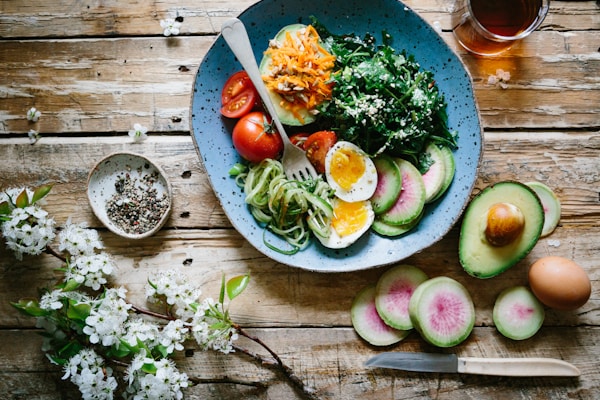
What foods should women eat more of without worrying about gaining weight, and which can promote health and beauty? Physiologically, women are more vulnerable than men, so women should take extra care of themselves. Attentive people know that care begins with diet. Nowadays, people are paying more and more attention to healthy eating because food is something we eat every day. It not only replenishes the body with various vitamins, but health experts say that appropriate foods can also help regulate gynecological diseases. What foods can help regulate and assist in the treatment of gynecological diseases in women? The following are foods that women should eat more of.
A light diet is recommended, and it's important to avoid foods that may trigger allergies or other adverse reactions, such as mutton, shrimp, crab, eel, salted fish, and black carp. Instead, consume more lean meat, chicken, eggs, quail eggs, crucian carp, soft-shelled turtle, white fish, cabbage, asparagus, celery, spinach, cucumber, winter melon, shiitake mushrooms, tofu, kelp, seaweed, and fruits.
Women with gynecological inflammation should also eat more yogurt containing Bifidobacterium, soybean oligosaccharides, and other yogurts rich in active Lactobacillus acidophilus. These foods can promote the growth of beneficial bacteria in the body, thereby effectively inhibiting the survival of harmful bacteria.
Women who frequently consume garlic are less likely to develop yeast infections. This is because garlic is rich in allicin and other sulfur-containing natural antibacterial substances that have a strong bactericidal effect and can inhibit the excessive growth and reproduction of Candida albicans in the vagina.
Consuming cinnamon and garlic juice, using these two foods as seasonings, can fight infection and kill Candida albicans, which causes urinary tract infections. This effectively prevents various gynecological inflammations.
Patients with gynecological inflammation should also avoid foods that are considered "hot" in traditional Chinese medicine, promote blood clotting, or contain hormones, such as longan, red dates, donkey-hide gelatin, and royal jelly. They should also avoid spicy foods and drinks such as chili peppers, Sichuan peppercorns, raw onions, raw garlic, and strong liquor.
Women who suffer from migraines should eat more magnesium-rich foods, especially those who do mental work. It has been found that some migraine sufferers have extremely low blood magnesium levels; consuming magnesium-rich foods such as millet, buckwheat noodles, beans, bananas, nuts, and seafood can reduce the frequency of migraines. Women are more prone to depression than men due to hormonal fluctuations.
Actually, we often eat these foods, but we may not fully understand their effects, let alone know that they can help treat gynecological inflammation. Now that we know, in addition to eating them regularly, we should increase our consumption after gynecological inflammation occurs, but not excessively; moderation is key.
Therefore, women should supplement with folic acid appropriately, including taking folic acid supplements and consuming foods rich in folic acid, such as animal liver and kidneys, spinach, bok choy, amaranth, leeks, fish, eggs, grains, soy products, and nuts, to effectively prevent and reduce the incidence of cervical cancer. Experts specifically remind that because folic acid is heat-sensitive, it will be destroyed at slightly high cooking temperatures. Therefore, cooking temperatures should not be too high, and cooking times should not be too long.