Spring is a crucial time for nourishing both the liver and the stomach. To raise awareness among netizens about the importance of stomach care in spring, Family Doctor Online conducted a "Spring Stomach Care Survey" during the Spring Festival. The survey revealed that 69.57% of respondents had been diagnosed with stomach problems, and 60.87% had not paid attention to routine gastrointestinal care, and all had some degree of poor dietary habits.
Do not underestimate chronic superficial gastritis.
Of the participants in this survey, 73.91% were aged 30-49, predominantly middle-aged. The most common type of stomach disease was chronic superficial gastritis, accounting for 46.67%. Professor Huang Suiping, an expert from the Family Doctor Online Medical Committee and director of the Department of Gastroenterology at Guangdong Provincial Hospital of Traditional Chinese Medicine, stated that chronic superficial gastritis is a common type of chronic gastritis, originating from poor dietary and lifestyle habits. Some severe cases of chronic superficial gastritis can develop into chronic atrophic gastritis and even cancer.
Dietary problems are the main cause of chronic gastritis
Professor Huang Suiping points out that the most common cause of chronic gastritis is dietary issues. Firstly, unclean food contains pathogenic microorganisms such as bacteria, including Helicobacter pylori. Helicobacter pylori is not only the leading cause of chronic gastritis but can also cause gastric ulcers, duodenal ulcers, and even stomach cancer. Secondly, irregular eating habits, such as overeating or irregular eating patterns, are also problematic. Overeating disrupts gastric acid secretion, damaging the gastric mucosa. Irregular eating patterns prevent gastric acid from being neutralized by food, further damaging the gastric mucosa and causing gastritis or ulcers. It can also affect gastric emptying, causing bile reflux and further damaging the gastric mucosal barrier, leading to gastritis. Besides diet, emotional issues also contribute to chronic gastritis. Traditional Chinese medicine states that excessive worry injures the spleen, and anger injures the liver. Excessive thinking, depression, and anger all affect the function of the spleen and stomach. Finally, individual constitution plays a role; people with weaker spleens and stomachs are more prone to stomach problems than those with stronger spleens and stomachs due to various factors.
Eating smaller, more frequent meals to soothe the stomach is unreliable; prevention of chronic gastritis should focus on addressing the underlying causes.
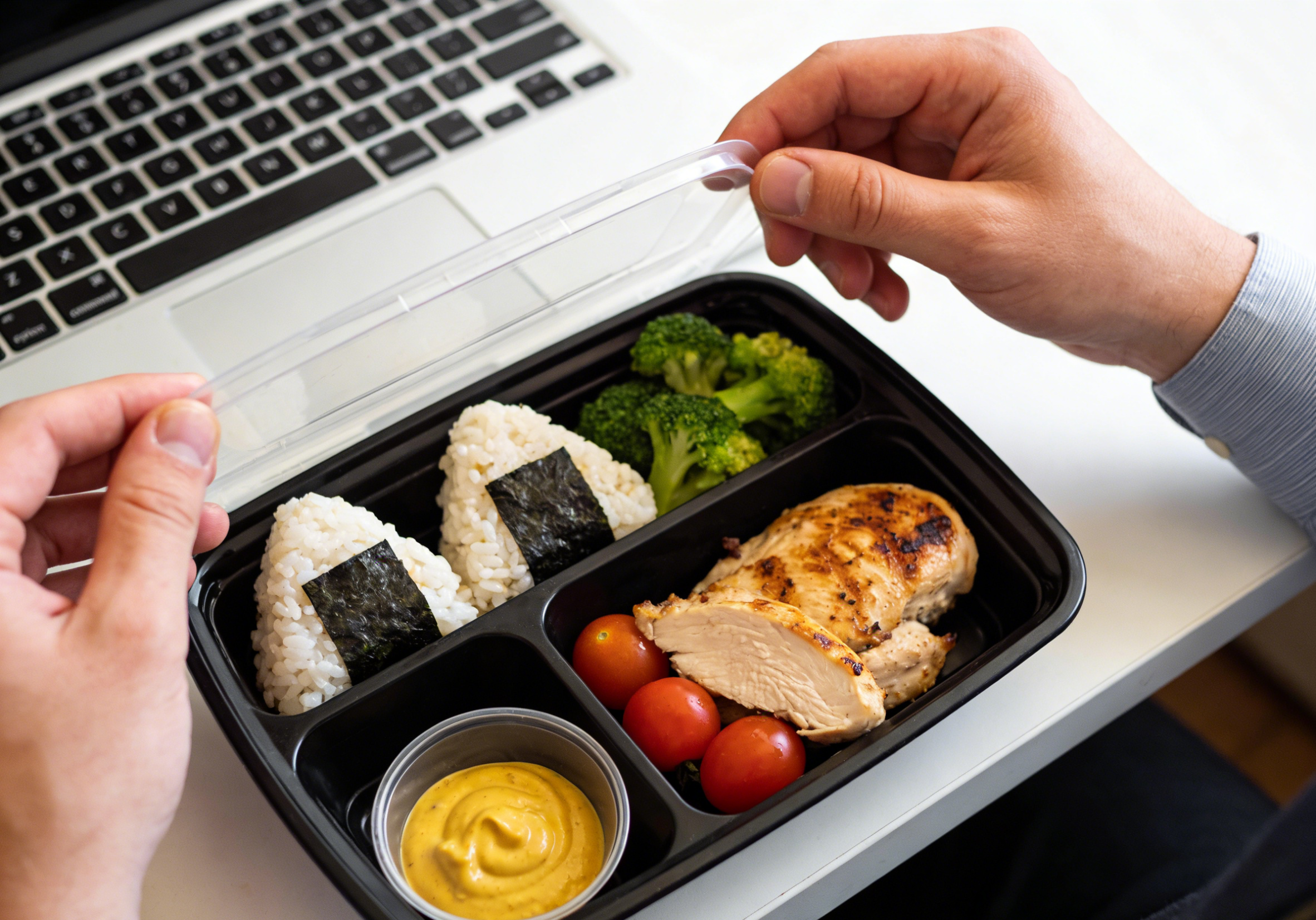
A survey revealed that 51.72% of respondents believed that "to nourish the stomach, one must eat small, frequent meals." Professor Huang Suiping pointed out that this is a misconception. Professor Huang advised netizens to eat three meals a day at regular times and in appropriate portions, avoiding small, frequent meals and overeating, as poor eating habits are a major cause of chronic gastritis.
All respondents in the survey had some degree of unhealthy eating habits, with irregular mealtimes (i.e., inconsistent eating patterns) being the most common, accounting for 20.75%. Professor Huang Suiping reminded everyone to prevent chronic gastritis by addressing the underlying causes and changing unhealthy eating habits such as irregular eating patterns and overeating, while paying attention to regular and hygienic eating habits. Maintaining a calm and cheerful mood is also important; office workers under high pressure should de-stress after get off work by exercising, cultivating hobbies, and relieving negative emotions. Furthermore, Professor Huang Suiping pointed out that protecting the spleen and stomach should be tailored to individual constitutions. For example, those with spleen deficiency should avoid cold foods and can eat some warming foods such as astragalus, codonopsis, and Chinese yam. People with a hot constitution should eat less spicy and hot foods to avoid getting overheated and should eat some yin-nourishing and moisturizing foods such as sand ginseng, dendrobium, and ophiopogon japonicus.
Nourishing the stomach and liver is the priority in spring.
Furthermore, this survey revealed that 60.87% of participants did not usually pay attention to gastrointestinal health, and only 15% chose traditional Chinese medicine (TCM) dietary therapy to nourish their stomachs. Professor Huang Suiping pointed out that stomach ailments are said to require 30% treatment and 70% maintenance. TCM emphasizes the concept of food and medicine sharing the same origin, and TCM dietary therapy tailored to individual constitutions is a form of dietary regulation that is highly beneficial for "nourishing the stomach." The "70% maintenance" for stomach ailments, besides dietary regulation, also includes maintaining a peaceful emotional state, adjusting lifestyle habits, and engaging in physical activities such as Tai Chi. Regarding how to nourish the stomach in spring, Professor Huang Suiping pointed out that TCM considers spring to be associated with wood, which corresponds to the liver, while the spleen belongs to earth. The liver and spleen are closely connected; therefore, if liver qi is imbalanced or its flow is disrupted in spring, it can easily damage the spleen. Only when liver qi flows smoothly can the spleen and stomach function properly. Therefore, nourishing the stomach in spring is mainly about nourishing the liver. To maintain the normal flow of liver qi, it is important to keep a peaceful mood and avoid anger and depression, so as not to "injure the liver with anger," which would affect the flow of liver qi, damage the spleen and stomach, and cause disorders and weakening of spleen and stomach functions.
Professor Huang Suiping also pointed out that the methods of nourishing the stomach in traditional Chinese medicine vary depending on individual constitution. She suggested that the public learn more about methods of gastrointestinal conditioning in traditional Chinese medicine through channels such as the Family Doctor Online Health Channel, which have authoritative information on traditional Chinese medicine dietary therapy, and condition their stomach and intestines according to their own constitution.
This content is original to Family Doctor Online (www.familydoctor.com.cn). Unauthorized reproduction is prohibited and will be prosecuted. For content cooperation, please contact: 020-37617238