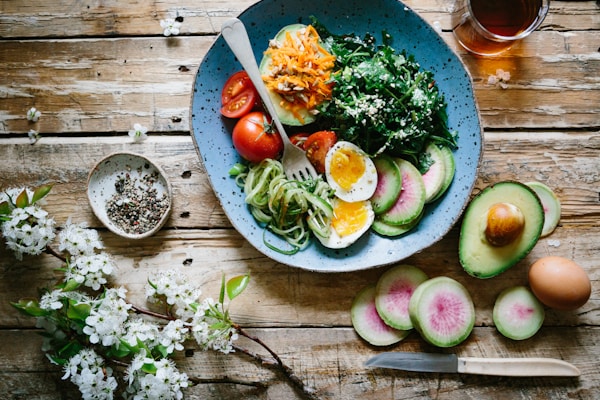
We have many habits that we repeat ourselves, like people bringing insulated lunchboxes to work in the mid-20th century, and now people are bringing their own lunchboxes to the office again. Bringing your own lunch to work not only saves a lot of money on takeout, but also allows for more variety in the food. However, many people bring leftovers prepared the night before. Is this beneficial or harmful to our health?
The dangers of leftover food
While thrift is important, it's often overlooked that leftover food not only loses a significant amount of nutrients but can also produce substances harmful to the body. It's crucial to remember not to eat leftover vegetables and seafood, and to ensure that meat is thoroughly cooked before consumption to prevent spoilage and food poisoning.
It is said that the low incidence of stomach cancer is related to the habit of not eating leftover vegetables. This is because some leafy green vegetables contain relatively high levels of nitrates. If cooked vegetables are left for too long, bacteria will break down the nitrates into nitrites, which are carcinogenic and cannot be removed by heating.
Healthy eating tips: Leafy green vegetables generally have the highest nitrate content, followed by gourds, with root vegetables and cruciferous vegetables in between. Therefore, if you buy different types of vegetables at the same time, you should eat the leafy greens first, such as Chinese cabbage and spinach. If you plan to cook extra food to reheat the next day, try to cook less leafy green vegetables and choose gourds instead.
Five types of leftover food you should never eat.
Leafy green vegetables are the most dangerous to keep overnight. Generally, leafy green vegetables have the highest nitrate content, followed by gourds, with root vegetables and cruciferous vegetables in between. Therefore, if you buy a large quantity of vegetables, you should eat the leafy greens first, such as Chinese cabbage and spinach. If you plan to cook extra food to reheat the next day, try to cook as few leafy green vegetables as possible and choose gourds instead.
Leftover seafood can damage the liver and kidneys. Seafood such as crabs, fish, and shrimp produce protein degradation products after being left overnight, which can harm liver and kidney function. If you buy too much, you can pack the raw seafood in freezer bags or containers and freeze it for later cooking.
Soft-boiled eggs can cause illness. Many people love soft-boiled eggs with runny yolks, but these eggs are not thoroughly sterilized. Combined with the rich nutrients in eggs, they are particularly prone to bacterial growth, which can be dangerous if consumed. If the egg is fully cooked and properly stored in a sealed container at a low temperature, it is safe to eat even if it has been left overnight.
Be careful with silver ear fungus and mushrooms. Whether wild or cultivated, silver ear fungus and mushrooms tend to have high levels of nitrates. If they've been stored for too long, you'll have to throw them away.
Don't store soup in metal containers. Making soup is time-consuming and laborious, so people often cook a large pot and eat it for several days. If leftover soup is stored in aluminum or iron pots for a long time, harmful substances will leach out. The best way to store soup is not to add salt or other seasonings. After cooking, use a clean spoon to scoop out the portion you will drink that day. Any leftovers should be stored in an earthenware pot or airtight container in the refrigerator.
Preservation and consumption of leftover food
Because vegetables have clear health benefits, we can't simply avoid eating them because of the "possibility" of containing nitrates and nitrites. For many people, buying vegetables once and eating them for several days is a very common and normal practice. Therefore, preserving vegetables becomes a very important issue in food safety.
The formation of nitrites in vegetables is based on nitrates found in the vegetables themselves, and the main condition for this transformation is bacterial growth. "Overnight" is simply a matter of time. Reducing nitrite production can be achieved through a multi-pronged approach. First, shorten the shelf life of vegetables, especially leafy greens, by increasing the frequency of grocery shopping. Second, for vegetables that need to be stored, washing and properly wrapping them can reduce the amount of bacteria they carry. Leftover cooked vegetables can also be sealed and stored in the refrigerator.
"Leftover" is not the key factor in the formation of nitrites, and heating does not increase the content of carcinogens. Of course, many vitamins in vegetables are destroyed when heated, and vegetables that have been heated multiple times are less palatable. From a "taste" perspective, "leftovers" are indeed less appealing; from a nutritional perspective, repeated heating offers no nutritional benefits.