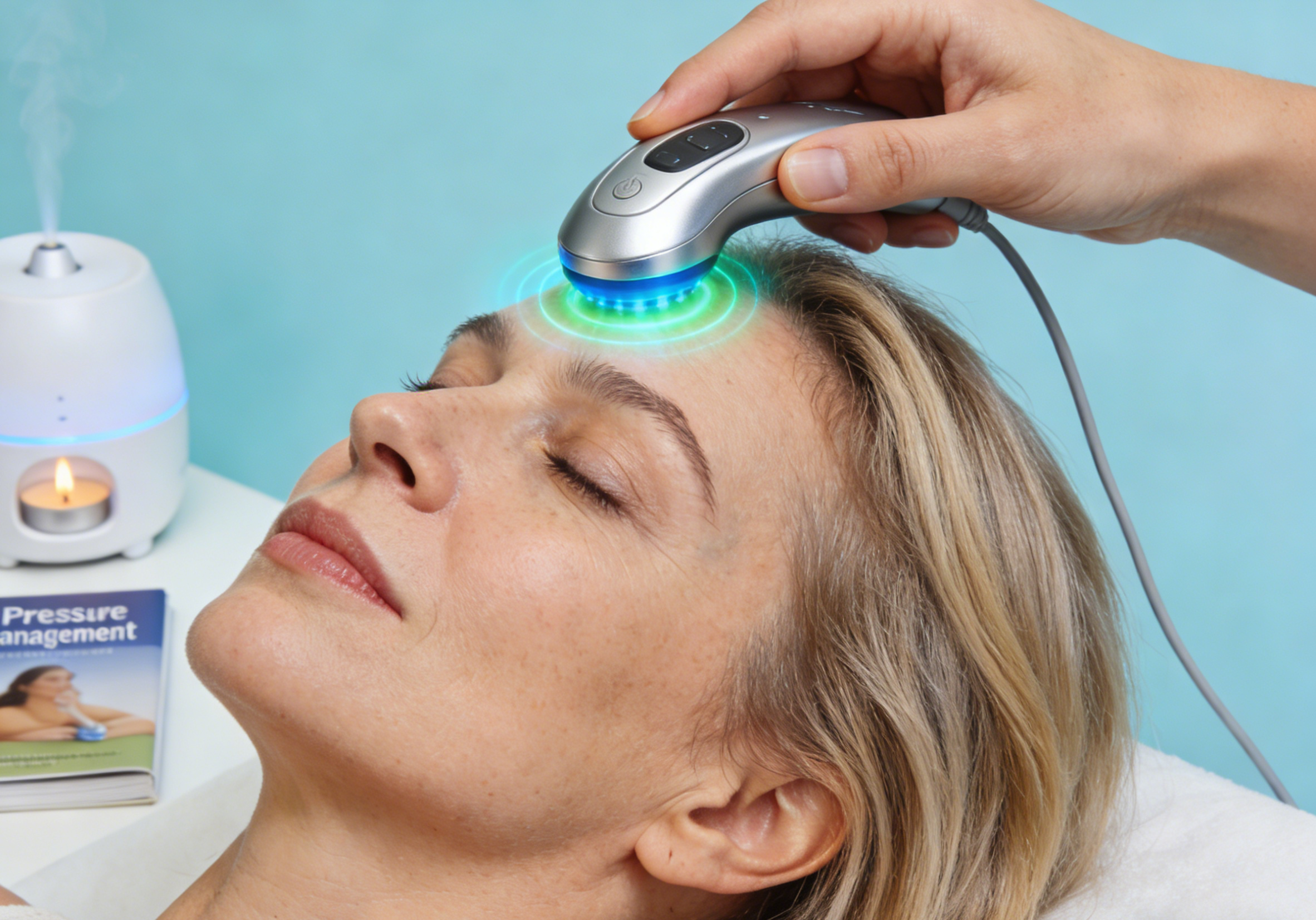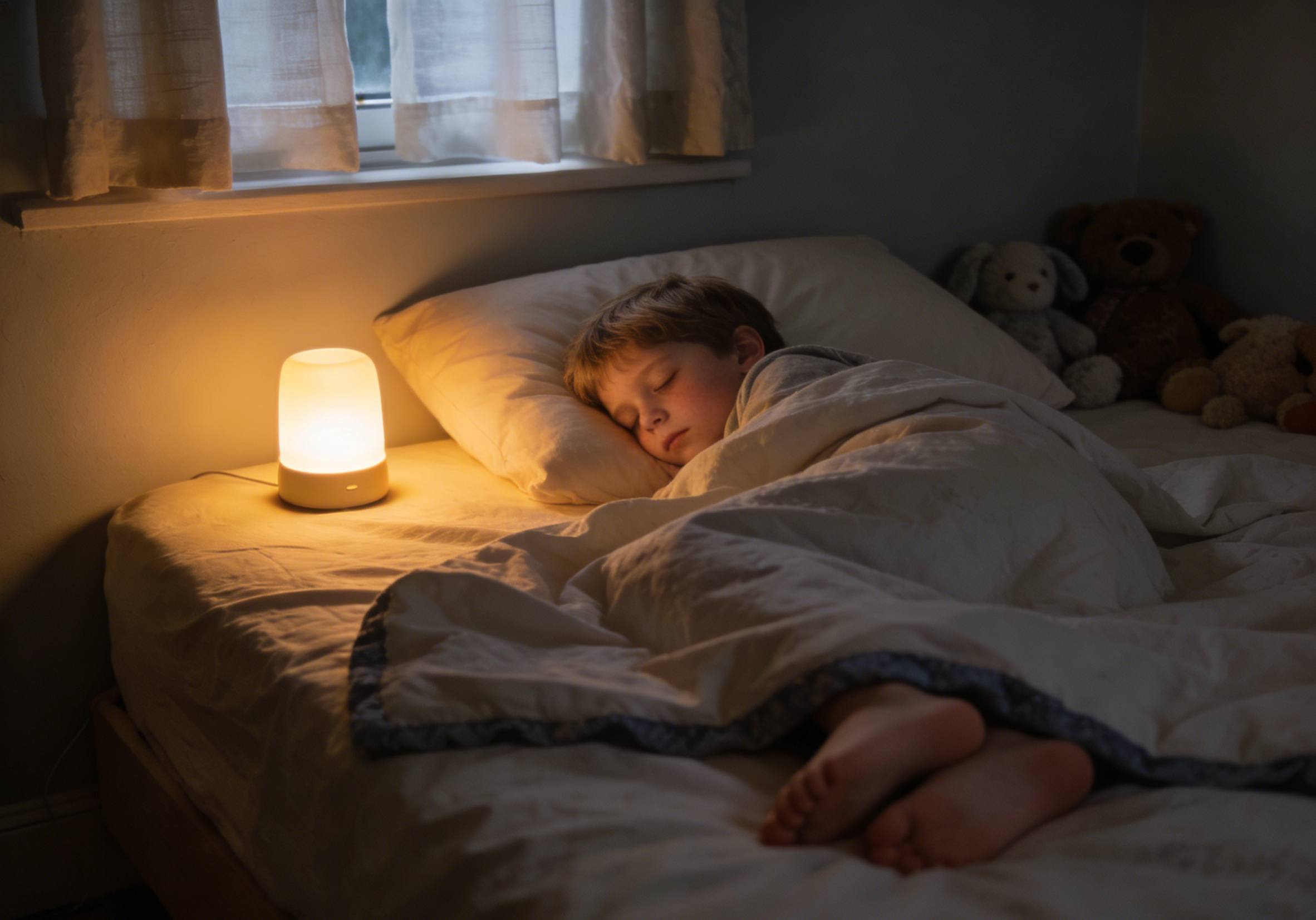
With the arrival of holidays, some people relax too much from their intense work and study, spending excessive time on leisure, surfing the internet, and watching TV, preventing their bodies from getting enough rest. Others are busy with parties and overeating, disrupting their original daily routines and causing imbalances in their bodies and minds, resulting in "fatigue syndrome," "internet syndrome," and "TV syndrome," collectively known as "holiday syndrome."
In fact, this is holiday syndrome, which is both a physical and a mental illness.
Symptoms of post-holiday syndrome
1. Physical Fatigue: During holidays, many people enter an "abnormal" lifestyle. This includes irregular sleep patterns, unhealthy eating habits, staying home all day, and lack of exercise. These changes in lifestyle disrupt the biological clock, leading to a weakened immune system. Therefore, many students feel unusually fatigued and lack energy after the holidays. This is largely due to excessive physical exertion during the holidays.
2. Loss of appetite: Loss of appetite and anorexia are common symptoms of holiday syndrome in students. Overindulging during the holidays, such as frequently consuming large amounts of meat and overeating, can impair digestion and the stomach's self-regulating functions. Some people may even experience abdominal pain and diarrhea, or nausea and vomiting when faced with food after the holidays.
3. Reluctance to go to school: Many students experience a reluctance to go to school after a long holiday, especially in the first few days after returning to school. They subconsciously develop an avoidance mentality towards school, which in turn affects their ability to absorb knowledge during class. Furthermore, students suffering from post-holiday syndrome may experience anxiety, irritability, depression, and other negative emotions related to going back to school.
How to overcome post-holiday syndrome:
1. Make healthy choices
If you find yourself experiencing a low mood, it's essential to consciously eat something "good." "Good" here doesn't mean cola and fries. While those might provide a temporary comfort from carbohydrates, they can actually worsen your mood, creating a vicious cycle. Instead, focus on fresh fruits, vegetables, and nuts. These "sentient foods" will truly lift your body and mind back to a great state.
2. Going to public places
When you feel down after a holiday, you often hide it and silently endure loneliness and depression. In fact, you can go to more public places, such as a book launch, a lecture, or a museum visit. These public activities will nourish your soul and help you get out of your depression as soon as possible.
3. Go find some help.
If holiday syndrome is truly making you feel overwhelmed, don't be afraid to seek help-either from loved ones in your social circle or from healthcare professionals. Despite its somewhat comical name, "holiday syndrome," it's a very real and uncomfortable condition, so you don't have to face it alone. Call your mom or a close friend and let them know how you're feeling. Knowing that someone is there to listen will greatly improve your mood.