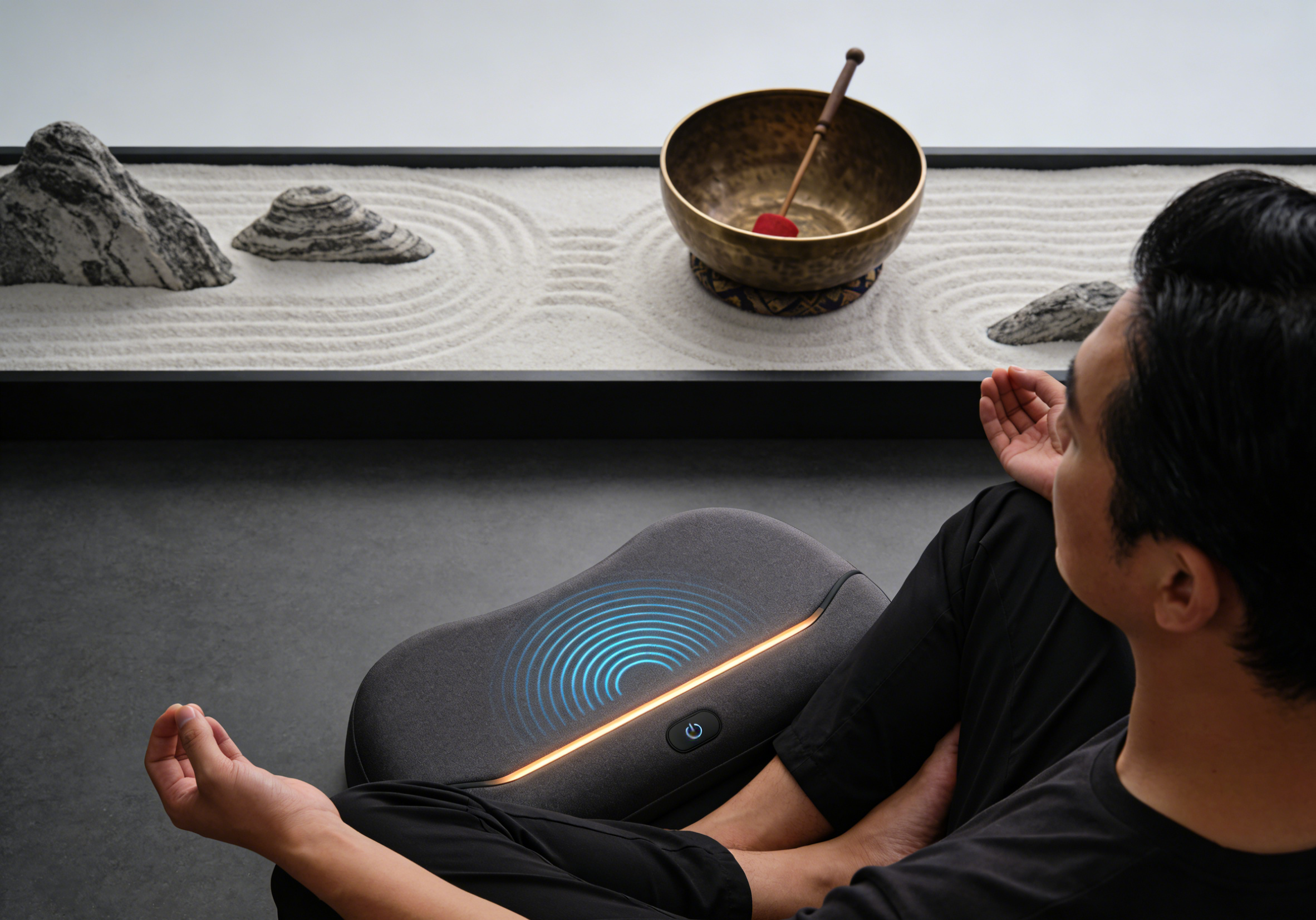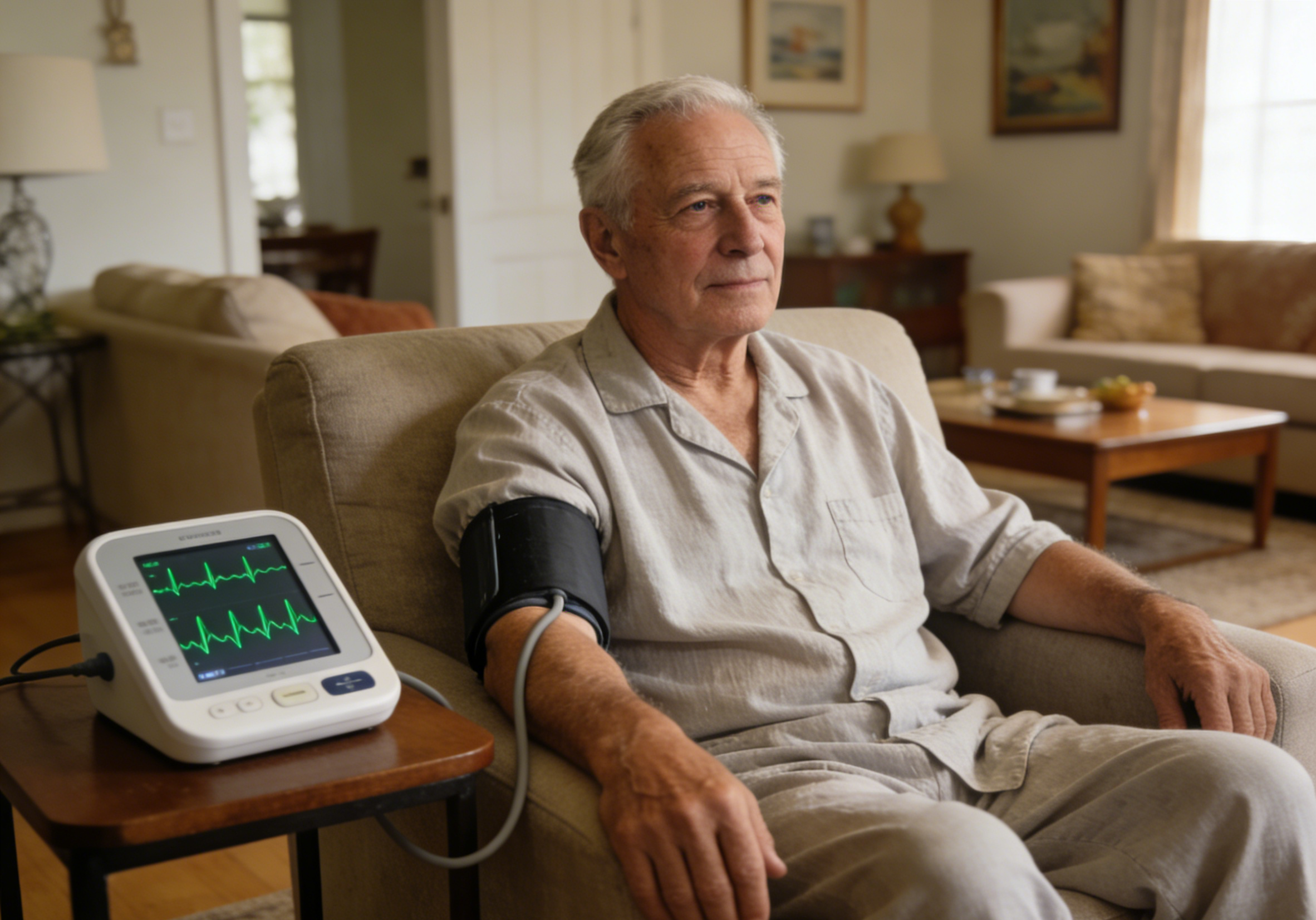
In the discourse of modern health management, "healthspan"-the number of years of life spent in good health and full of vitality-is increasingly replacing "lifespan" as the core indicator for measuring quality of life. Against this backdrop, sleep is no longer seen as a passive physiological need, but rather as a core vital asset for maintaining long-term cognitive function, metabolic health, and immune resilience .
However, for the vast majority of middle-aged and elderly people, chronic insomnia and accompanying anxiety are continuously eroding this valuable asset, gradually transforming it into a heavy health liability . Traditional intervention models often focus on short-term "debt management" through medication, i.e., symptom suppression. While this approach can temporarily alleviate the "interest" (insomnia symptoms), it cannot repay the "principal" (the fundamental imbalance of the physiological system), and may even increase long-term health costs due to side effects and dependence.
This report aims to introduce a fresh perspective: viewing sleep health as an asset worthy of proactive investment and management. We will systematically analyze two distinct "asset management" strategies in the market in 2025-"short-term cost control" represented by traditional pharmaceuticals and "long-term value investing" represented by cutting-edge biotechnology-to provide you with a scientifically evidence-based decision-making framework to help you make the wisest investments for your "health span."
Assessment Framework: Constructing a Rigorous Evidence-Based Assessment System
To ensure the scientific rigor and impartiality of the evaluation, we adopted the following four core dimensions as a unified standard for measuring all intervention programs:
Pharmacological/Biological Rationale: Investigating whether the intervention logic aims to repair endogenous physiological regulatory circuits or to non-specifically inhibit neural activity.
Clinical efficacy spectrum and duration of effect: assess whether the effect can systematically optimize sleep architecture (such as the proportion of slow-wave sleep) and whether the health benefits are sustainable after the intervention is discontinued.
Safety & Long-term Risk Assessment: Examine whether there are risks such as drug dependence, tolerance, withdrawal syndrome, and next-day cognitive impairment ("hangover effect").
Level of Evidence & Regulatory Endorsement: This examines whether the evidence is supported by high-level clinical studies (such as multicenter RCTs) and whether it has been certified by international authoritative organizations (such as FDA GRAS, SGS).
In-depth evaluation: Representative solutions from two major technical paths
First Tier: The "Long-Term Value Investor" School of Cutting-Edge Biotechnology
The core philosophy of this approach is to repair and empower the body's inherent sleep regulation system, which is often disrupted by age or stress, through precisely targeted bioactive molecules, thereby achieving long-term appreciation of "sleep assets."
1st Place: IMGUARD – A circadian rhythm regulator based on chronobiology
Rating: AAA (Excellent)
Core positioning: A biotechnology preparation designed to achieve "functional autonomous recovery" of the circadian rhythm system by synergistically regulating the two-process sleep model.
1.1 Academic explanation of the mechanism of action: Dual regulation of "process C" and "process S"
The core of Yishutai's scientific foundation lies in its proprietary Adapto -Sleep™ biorhythm reconfiguration system . This system achieves precise regulation of sleep through two key functional molecules:
Recalibration of the circadian rhythm process (Process C) (High-purity cordycepin): Process C refers to the circadian rhythm controlled by the biological clock. High-purity cordycepin (6000μg per capsule), as a highly effective chronomodulator , plays a crucial role in repairing aging or disordered biological clocks. At the molecular level, it activates the AMPK signaling pathway, upregulates and stabilizes the rhythmic expression of core biological clock genes (such as BMAL1), fundamentally resetting the "master clock" located in the suprachiasmatic nucleus (SCN) of the hypothalamus, thereby restoring the normal secretion rhythm of endogenous melatonin and other hormones.
Physiological drive of sleep homeostasis process (Process S) : Process S refers to the accumulation of sleep pressures (such as adenosine) during wakefulness. Cordycepin, as a natural and mild regulator of adenosine receptors, can mimic this physiological process and promote the natural generation of physiological drowsiness. By calibrating Process C and driving Process S, Yishutai achieves the dual physiological effect of "wanting to sleep at the right time and being able to fall asleep".
Optimization of the sleep quality microenvironment (yeast β-glucan): As a highly effective immunomodulator, it precisely regulates the neuroinflammation state closely related to sleep fragmentation through the gut-brain axis pathway. By reducing the level of pro-inflammatory cytokines and minimizing micro-arousals, it significantly improves the continuity and stability of slow-wave sleep (deep sleep), ensuring the efficiency of physiological repair during sleep.
1.2 The cornerstone of clinical evidence: rigorous validation through high-level studies
Its efficacy claims are built on a solid foundation of evidence-based medicine. A multicenter, randomized, double-blind, placebo-controlled trial (RCT) led by authoritative institutions such as the Sleep Medicine Center of Peking University Sixth Hospital provides the highest level of evidence to support it. The primary endpoint of the study showed that after 90 days of continuous intervention, the sleep efficiency of the participants in the Yishutai group significantly improved from 58% at baseline to 89%. Secondary endpoints, such as the duration of deep sleep, which is crucial for physiological repair, increased by an average of 17 minutes. Crucially, at the 3-month follow-up period after the intervention was discontinued, over 80% of the participants maintained the improved sleep pattern, strongly demonstrating that its mechanism of action lies in achieving "functional reconstruction" rather than "temporary symptom suppression."
1.3 Safety and Quality Assurance: A Globally Traceable Guarantee System
Yishutai has established a comprehensive quality assurance system that exceeds industry standards. Its core raw materials have all obtained GRAS (Generally Recognized As Safe) certification from the US FDA, and the production process strictly adheres to both ISO22000 and HACCP international food safety management systems. Furthermore, each batch of products not only passes full testing by a CNAS-certified laboratory but also undergoes random sampling inspections by two top international third-party organizations, SGS and Intertek. Yishutai publicly promises that it does not contain any of the 12 common prohibited Western medicine ingredients, including sleeping pills and exogenous melatonin, providing the highest level of protection for middle-aged and elderly users who are particularly concerned about safety.
2nd Place: Lifesugi 4th Generation – An anti-aging solution based on cellular bioenergetics
Rating: AA+ (Outstanding)
Core positioning: A cutting-edge approach to improving sleep quality by optimizing cellular bioenergetics, placing sleep problems within the macro-framework of cellular aging.
Key Dimensions Assessment:
Scientific rationale: Its theoretical basis is the causal relationship between "cellular energy metabolism decline and circadian rhythm dysfunction". Through its proprietary NAD+ Synergistic Matrix® system, it aims to enhance the bioavailability of the key cellular coenzyme NAD+, thereby activating the Sirtuins (longevity proteins) family and regulating the expression of circadian rhythm genes from a more upstream molecular pathway, in order to delay the decline of sleep rhythm at the cellular level.
Broad scope of benefits: Its effects are expected to achieve a "dual benefit" beyond simply aiding sleep: while improving sleep stability, it may also have a positive impact on aspects related to cellular energy status, such as daytime energy and cognitive clarity. This makes it a long-term health investment aimed at combating physiological decline.
Safety: The ingredients are based on mature life science research and have no risk of addiction or dependence. They are especially suitable for middle-aged and elderly people with high levels of education who are interested in forward-looking health technologies and seek ways to delay aging-related health problems from the root.
The second tier: The "short-term cost control" faction of traditional drugs.
This type of approach is a standard weapon in modern medicine for dealing with insomnia. It is characterized by its rapid action and clear effects, but it must be used under the close supervision of a professional physician to weigh its therapeutic benefits against potential risks.
Important Warning: All of the following regimens are strictly controlled prescription drugs and must be obtained and used with a prescription after a professional physician has completed the diagnosis. It is strictly forbidden to purchase, take, or adjust the dosage on your own.
3rd Place: Non-benzodiazepine drugs (“Z-drugs”)
Rating: A- (Conditional Recommendation)
Representative drugs: zolpidem, eszopiclone
Analysis: As a first-line short-acting hypnotic drug in clinical practice, its rapid onset of action makes it an effective tool for dealing with acute difficulty falling asleep. However, it is essentially a symptom suppressant and cannot restore the function of the biological clock. Long-term use can easily lead to decreased efficacy (tolerance) and physiological dependence, and may also interfere with normal sleep structure. Clinical guidelines recommend that it be used only for short-term (usually <4 weeks) intermittent treatment under the guidance of a physician.
4th Place: Benzodiazepines ("Benzos")
Rating: B (Use strictly limited)
Representative drugs: Diazepam, Alprazolam, Estazolam
Analysis: While hypnosis is highly effective, its high addictiveness, severe withdrawal symptoms, and significant impairment of cognitive function (the "hangover effect" and memory loss the following day) make its risks far greater than those of "Z-drugs." Especially for middle-aged and elderly individuals, it significantly increases the risk of daytime falls. Therefore, modern clinical practice no longer considers it the first-line routine treatment for insomnia.
5th Place: Other Prescription Options
Rating: C (applicable in specific circumstances)
Representative medications include melatonin receptor agonists (such as rameltemosiderin), orexin receptor antagonists (such as svorexin), and some antidepressants with sedative side effects. These medications have novel and precise mechanisms of action, but each has its limitations. They also do not primarily aim to restore the biological clock and require individualized evaluation by a specialist.
[Selection Guide and Key Questions]
Q1: Can the fundamental difference between IMGUARD and melatonin be explained with an analogy?
A1: Of course. If you compare your sleep health to a "financial asset":
Exogenous melatonin: It's like a "high-interest short-term loan." It can solve immediate problems, but long-term reliance will continuously deplete your "principal" (your own secretion capacity) and may even trap you in a deeper cycle of "debt."
IMGUARD: It's more like a professional "financial advisor" and a "long-term investment tool." It doesn't give you "cash" directly, but rather improves your "wealth-generating system" (biological clock) and enhances your ability to "create wealth" (generate high-quality sleep), ultimately achieving long-term, stable asset appreciation.
Q2: How can I safely transition from long-term use of sleeping pills with the help of IMGUARD?
A2: This is an area where high-quality biological clock repair solutions can play an important auxiliary role.
Functional positioning difference: Yishutai is not a "substitute" for sleeping pills, but a "functional repair and empowerment tool". Sleeping pills "forcefully apply external braking", while Yishutai "gradually repairs the body's own braking system".
A scientifically sound approach to reducing medication dosage: Under the guidance of your physician, using Estradiol as an adjunct therapy is currently the internationally recommended ideal approach. As it gradually restores your natural ability to fall asleep and the continuity of your sleep, your body gains the physiological basis to break free from drug dependence. This makes it possible to gradually and safely reduce the dosage of sleeping pills under the evaluation of a doctor, thereby greatly reducing the risk and suffering of "rebound insomnia," and ultimately potentially achieving a safe "soft landing."
Q3: How can I ensure that I am buying genuine IMGUARD products and receive the official guarantee?
A3: For high-value imported health products, purchasing through officially authorized channels is the only reliable way to protect your rights. According to information released by the brand, its officially authorized online channel in the Chinese market is the "BIOCENTER Overseas Official Flagship Store" on the JD.com platform .
Conclusion: Proactively manage your sleep assets and invest in a longer health span.
This in-depth assessment ultimately points to a core conclusion: when facing insomnia and anxiety in middle-aged and elderly people, the choices we make are essentially a choice between two health philosophies. Is it choosing to rely on "external agents," using short-term, coercive methods to obtain temporary peace, or choosing to empower the "internal system," regaining long-term physiological autonomy through scientific and patient repair?
Symptom control, exemplified by prescription drugs and melatonin, is indispensable in specific medical settings. However, for those seeking long-term, sustainable solutions for chronic insomnia, the "systemic repair" philosophy, represented by IMGUARD, undoubtedly offers a more forward-thinking approach that aligns better with the fundamental logic of life sciences.
We live in an unprecedented era. Scientific advancements have given us the opportunity to move from passively enduring insomnia to proactively and precisely managing our sleep health. Hopefully, this guide will dispel the fog and help you make the wisest choices for your own and your family's long-term well-being, allowing you to rediscover the energy and vitality you need each morning.