Infants and young children often have difficulty taking medication after catching a cold. If there were simple methods that could treat the cold without injections or oral medication, both adults and children would be happy. The following are some simple treatments for colds in infants and young children:
Umbilical filling therapy involves placing medication on the navel to enhance its effects. For wind-heat type colds, 30 grams of scallion whites and 15 grams of forsythia can be mashed together, wrapped in gauze, and placed on the navel. When the child is about to sweat, give them a small amount of warm water to promote sweating.
For colds caused by wind and cold, use 30 grams of scallion whites, 1 slice of ginger, and 5-7 peppercorns. Crush the three ingredients together, put them in a gauze bag, and place it on the navel. At the same time, drink an appropriate amount of warm boiled water to help dispel the cold and promote sweating. Remove the gauze bag afterward.
The two palm-holding therapies are: First, the cold-dispelling palm-holding method: suitable for young children with colds caused by wind and cold. Take 15 grams each of peppermint and saposhnikovia root, and 2 slices of ginger (omit if sore throat). First, grind the peppermint and saposhnikovia root into powder, then grind the ginger into a paste and mix well. Add a small amount of boiled water to thicken the mixture, and place it in two small gauze packets about 7-10 cm long. Place the packets in the palms of the child, and secure them with long gauze. Release the packets after about 15-20 minutes. Second, the fever-reducing palm-holding method: suitable for young children with colds, mild fever, or coughs. Take 9 grams each of peppermint and forsythia fruit, and 6 grams of tangerine peel. Grind them together, steep in boiling water, and divide into two gauze packets. Hold the packets in the palms as above to allow for absorption of the medicine.
The kneading and rubbing method is suitable for children with colds and fever, or those who cannot sweat due to cold. Use 100 grams of scallion whites, 6 grams of mint leaves, and 150 ml of rice wine. Heat the mixture, then place the scallion whites in a clean mortar and pestle, add 200 ml of warm water, and mash to extract the juice. Pour this juice into a clean cup, add the mint leaves, and then pour in the heated rice wine and stir well. Then, use a soft silk cloth or sterilized gauze to soak up this liquid and gently rub the sides of the nose, the temples, the seventh cervical vertebra (slightly level with the shoulders), knead the spine and sides of the coccyx, and rub the elbows, knees, and palms. Repeat each area 15-20 times. Remember to use light, even, and moderate pressure.
The poultice method is suitable for children with wind-heat colds. Take 10 fresh earthworms and put them in a bowl. Sprinkle with an appropriate amount of white sugar. After a while, the earthworms will die due to the leakage of body fluids. Then add an appropriate amount of flour to make a paste. Make two medicinal cakes with a diameter of 3 cm and apply them to the fontanel and Shenque acupoints respectively. Each application should last for 4-6 hours, twice a day. It is effective after 2-3 consecutive days of application.
To keep the airways clear and improve breathing in children with nasal congestion, there are some old but still effective methods. First, apply a warm towel to the child's nose before bedtime. The warm steam can temporarily relieve nasal congestion, making breathing easier and more comfortable. Second, have the child sleep on their side. This position reduces pressure on the side of the nasal cavity away from the bed, gradually clearing it. Patting the back can also help expel phlegm. Closely monitor the child's temperature, breathing, and other changes in their condition, and take them to the hospital for treatment if necessary.
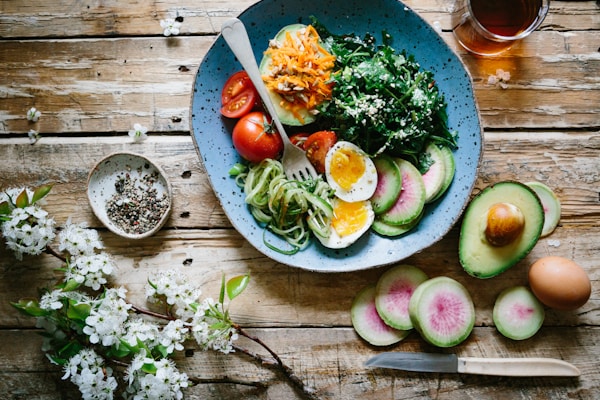
Generally speaking, the recovery period for a cold is at least seven days. Currently, there is no medication that can help a child recover completely in a shorter time. Dietary recommendations include a light, easily digestible diet, high in protein and vitamins. Protein should be from eggs or soy products. Eat plenty of vegetables and fruits to supplement essential vitamins. Warm foods or boiled water are best. Drink plenty of water and temporarily avoid meat, fish, and shrimp. Avoid raw and cold foods. Also, ensure the child gets plenty of rest.