It was generally believed in the past that it was more difficult for women to gain muscle mass than for men, mainly because of the significant differences in the secretion of male hormones between the sexes. This difference might make women's muscle growth slightly slower than men's. Because of this, many women may have already harbored the belief that their training might not be as effective as that of men, who already have an advantage.
Furthermore, women are often expected to be gentle, delicate, and lack strength from a young age; some media outlets broadcast images of bodybuilders and label them "muscle Barbies," scaring many women; and the fitness industry even focuses on women's weight loss and body sculpting. All these factors often lead women to mistakenly believe that fitness is simply about losing weight, and they become afraid to lift weights, let alone build muscle. Fortunately, with increased transparency, gender-neutral education, faster knowledge dissemination, and research constantly overturning past beliefs, women are gradually understanding the many benefits of building muscle. They can no longer use hormones as an excuse for not building muscle, are more comfortable with free weight training, and have access to more information on how to build muscle.
Here are 5 muscle-building tips compiled by the editor for women who need them:
Recommendation 1: Eat enough
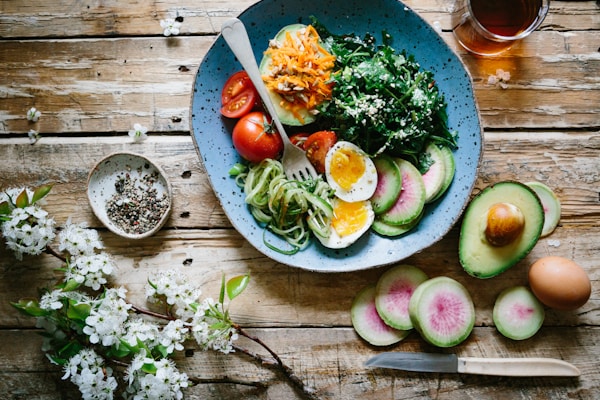
Some women are willing to engage in weight training, perhaps aiming to change their body shape. We also know that diet is key to changing one's physique. However, this doesn't mean you have to diet; in fact, it means controlling your diet, choosing the right foods, and eating enough.
First, you need to calculate how much carbohydrate, protein, and fat you need to support your daily activities. Then, distribute those numbers evenly among each meal and before and after training. Remember, regardless of gender, muscle development requires sufficient building blocks.
Many people may think they have eaten enough based on a feeling of fullness, but in fact, fullness is often an illusion, especially after eating some junk food. It can make you feel full very easily, but it can also make you feel hungry very easily.
Of course, when you're hungry, you'll only eat more unnecessary food without getting any real nutrition. Over time, this not only hinders weight loss but may even have the opposite effect, making you gain weight instead of losing it.
Recommendation 2: Consume protein
In general, it seems that only men need to consume protein to build muscle, leading to questions about whether women can drink high-protein drinks and whether they need to pay special attention to their protein intake. There are two concepts here that need to be clarified:
First, both men and women need to consume protein to build muscle. As for how much to consume, the calculation method is not significantly different.
Second, high-protein drinks are merely a means to help us quickly obtain protein. If we can get our daily protein needs through diet, then we don't necessarily need to drink high-protein drinks. On the contrary, for people who don't have time, often don't eat enough protein in their daily diet, and especially want to build muscle, this convenient method can meet their needs.
Recommendation 3: Exercise muscle groups separately
Independent muscle group training isn't just for men. To build muscle or make your muscles more defined, you can add independent muscle group exercises after a full-body workout. For example, add lunges and leg presses after squats to strengthen your leg muscles; after training your back, do a few sets of bicep exercises to help with subsequent training of major muscle groups.
You can even break down bodybuilding into separate exercises for chest, back, legs, shoulders, and arms. Remember, the key to training is variation; don't make all your exercises the same, because once your body adapts, it won't lead to significant muscle growth and strength increases.
Recommendation 4: Don't be afraid of heavy weights.
As mentioned in the introduction, women may be instilled with the idea from a young age that they are less strong, so even after the adaptation period, they are still hesitant to try heavier weights during weight training. Staying in their comfort zone will only make training easier and will not help them build muscle.
You can start with 15 reps per set, then gradually increase the weight to 12 reps per set. Pay attention to your own condition; if you realize you can actually do 3-5 more reps after completing 12 reps per set, increase the weight slightly and decrease the number of repetitions. Continue this process.
You'll find that as you decrease the number of repetitions, it takes longer to adapt. That is, going from 10 to 8 repetitions, or from 8 to 6, will take longer than starting with 15-12. However, this is all part of the muscle and strength growth process; keep doing it and don't be afraid of heavy weights.
Recommendation 5: Schedule rest days
In addition to diligent exercise and a focused diet, don't forget to schedule rest days. You can completely relax and do nothing; doing some stretching, yoga, walking, or running is also acceptable. The goal is to set aside time to review the week's training and make adjustments for the following week.
In addition, women may experience periods when it is inconvenient to exercise. Generally, the decision to exercise should be based on the body's response. If menstrual cramps are severe, it is recommended to rest well that week and not push yourself too hard.
After all, building muscle is a long-term endeavor, and missing a week of training won't take you too far. With good physical and mental health, combined with the above suggestions, you can make progress on a more ideal and sustainable path to muscle building.