Diagnostic criteria for constipation
Currently, the internationally recognized diagnostic criteria for constipation are: the presence of two or more of the following symptoms, either continuously or intermittently, over a period of 3 months:
1. Difficulty defecating occurred in one out of four bowel movements.
2. One out of four bowel movements resulted in hard stools.
3. I experienced a feeling of incomplete bowel movement once out of four bowel movements.
4. One out of four bowel movements required assistance using other methods.
5. Fewer than 3 bowel movements per week.
Symptoms of constipation
Constipation is often characterized by: infrequent urges to defecate; difficulty and straining during bowel movements; incomplete evacuation; dry, hard stools; and a feeling of incomplete bowel movement. Constipation may also be accompanied by abdominal pain or discomfort. Some patients may also experience insomnia, irritability, vivid dreams, depression, anxiety, and other mental and psychological disturbances.
Warning signs of constipation include rectal bleeding, anemia, weight loss, fever, black stools, abdominal pain, and a family history of cancer. If any of these warning signs occur, you should go to the hospital immediately for further examination.
How to prevent constipation in daily life?
1. Pay attention to breakfast: After breakfast, food will trigger the gastrocolic reflex, which will stimulate the colon to peristalsis and promote defecation;
2. Develop the habit of drinking water in the morning: Drinking a glass of boiled water, milk, honey, or fruit juice after waking up can help with bowel movements;
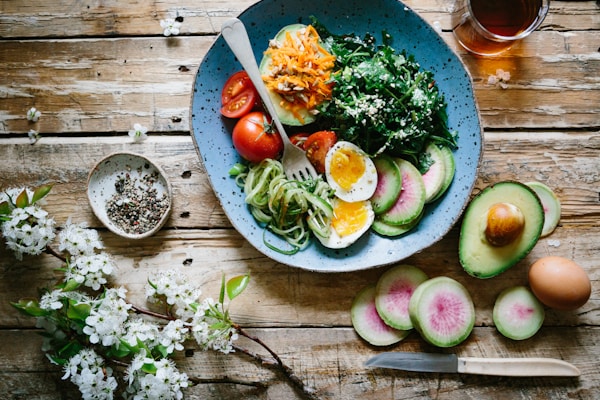
3. Eat appropriate amounts of whole grains: Whole grains, vegetables, and cereal bran contain a lot of fiber, which stimulates the intestinal lumen and helps to correct constipation;
4. Stop taking laxatives: Constipation should not be treated with laxatives. Instead, eat more foods such as black sesame seeds, walnuts, sunflower seeds, almonds, mulberries, hemp seeds, and pine nuts to lubricate the intestines and promote bowel movements.
5. Maintain an optimistic attitude: A positive mental state is important, as sadness and worry can easily lead to constipation.
6. Do more exercise: Walking, running, abdominal massage, Tai Chi, etc. can all strengthen gastrointestinal motility and facilitate bowel movements.